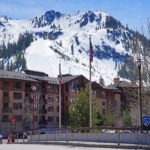
Mount Wilson

Standing majestically at 14,254.1 feet, Mount Wilson commands respect as both Colorado’s most challenging fourteener and its most ecologically diverse high-altitude wilderness. This formidable peak in the San Miguel Mountains offers outdoor enthusiasts an unparalleled combination of geological wonder, pristine wildlife habitat, and world-class mountaineering opportunities that remain accessible throughout the year.

Fast Facts
Country: United States
State/Province: Colorado
County/Region: Dolores
Mountain Range: San Miguel Mountains, Rocky Mountains
Parents: San Miguel Mountains, Rocky Mountains
Elevation: 14,252 feet / 4,344 meters
Prominence: 4,024 feet / 1,227 meters
Isolation: 33.0 miles / 53.1 kilometers
Nearest Higher Neighbor (NHN): Uncompahgre Peak
First Ascent: September 13, 1874, by A. D. Wilson (for whom the mountain was named), Franklin Rhoda, and party.
Fun Fact: Mount Wilson is the highest peak of the San Miguel Mountain range of Colorado’s Rocky Mountains.
Geology
Mount Wilson’s dramatic profile tells the story of Colorado’s violent geological past. The mountain’s foundation consists of a massive tertiary igneous intrusion—essentially a giant bubble of molten rock that cooled deep within the earth before being exposed by millions of years of erosion. This irregular formation creates the peak’s distinctive sharp ridges and steep faces that challenge even experienced climbers.
The mountain’s geological significance extends far beyond its impressive height. Four small glaciers cling to Mount Wilson’s summit, representing the southernmost modern glaciers in the Rocky Mountains and the most southerly in the contiguous United States outside California’s Sierra Nevada. These ice formations descend to an remarkable 12,753 feet, creating a unique high-altitude ecosystem that supports specialized plant and animal communities.
During the Pleistocene epoch, massive ice sheets covered the entire summit plateau. Evidence suggests that in earlier glaciations, these ice caps connected with neighboring peaks to form the legendary “San Miguel Glacier”—a vast frozen landscape that shaped the region’s dramatic topography.

Wildlife and Ecological Treasures
Mount Wilson’s diverse elevation zones create distinct ecological niches that support an extraordinary range of wildlife. The alpine permafrost zone, extending down to approximately 11,500 feet, harbors specialized plant communities adapted to extreme conditions. Nine documented rock glaciers on the mountain’s northern slopes provide critical habitat for cold-adapted species and serve as natural refrigeration systems for the ecosystem.
High-altitude wildlife thrives in this challenging environment. Pikas, those charismatic “rock rabbits,” inhabit the talus fields, their distinctive calls echoing across the boulder-strewn slopes. Mountain goats navigate the precipitous cliffs with remarkable agility, while golden eagles soar on thermal currents rising from the heated rock faces.
The Navajo Basin ecosystem represents one of Colorado’s most pristine high-alpine environments. Permanent snowfields in this cirque create a unique microclimate that supports rare alpine wildflowers and provides crucial water sources for wildlife throughout the dry summer months.
Seasonal wildlife viewing opportunities vary dramatically:
- Winter (November-April): Specialized cold-adapted species, pristine snow conditions
- Spring (May-June): Migrating birds return, wildflowers begin blooming at lower elevations
- Summer (July-August): Peak wildflower displays, active wildlife at all elevations
- Fall (September-October): Elk bugling season, spectacular aspen displays

Year-Round Adventure Opportunities
Mount Wilson’s reputation as one of the top ten most difficult Colorado fourteeners doesn’t deter serious outdoor enthusiasts—it attracts them. The standard route via Navajo Basin presents a technical challenge that requires mountaineering skills, proper equipment, and careful planning regardless of season.
Spring and Summer Climbing (May-September)
The classic North Face route from Navajo Basin typically involves snow travel well into summer. Ice axe and crampons remain essential equipment even during peak climbing season. The approach through Silver Pick Basin reveals remnants of the area’s mining heritage, where the famous Silver Pick Mine operated during the 1880s silver boom.
Expert climbers often attempt the spectacular mile-long ridge traverse to El Diente Peak—a knife-edge route requiring advanced scrambling skills and occasional rappelling. This traverse ranks among Colorado’s most exposed and technically demanding high-altitude routes.
Winter and Spring Backcountry (December-May)
Winter transforms Mount Wilson into a pristine wilderness playground for advanced backcountry enthusiasts. The mountain’s permanent snowfields and glacial features create exceptional ski mountaineering opportunities for those with appropriate avalanche training and winter survival skills.
Cross-country skiing and snowshoeing in the lower elevations provide access to winter wildlife viewing opportunities, while the upper reaches challenge expert winter mountaineers with technical ice climbing and extreme weather conditions.
Fall Hiking and Photography (September-November)
Autumn offers some of Mount Wilson’s most spectacular viewing opportunities. The aspen groves at mid-elevations explode in golden color, creating dramatic contrast against the peak’s dark volcanic rock. Wildlife photography opportunities peak during this season as animals prepare for winter.

Stomy fall afternoon at Woods Lake near Telluride Colorado with Wilson Peak and yellow aspen trees reflecting in lake | Teri Virbickis
Conservation and Environmental Stewardship
Mount Wilson’s designation within the Lizard Head Wilderness of San Juan National Forest ensures protection of its unique ecological systems. This wilderness status prohibits motorized access, preserving the area’s pristine character while allowing non-motorized recreation.
Climate change impacts are particularly visible on Mount Wilson’s glacial features. Scientists monitor the mountain’s four unnamed glaciers to understand how warming temperatures affect these critical ice formations. The glaciers serve as natural climate indicators and water storage systems for downstream ecosystems.
Leave No Trace principles become especially critical in this fragile high-altitude environment. The mountain’s extreme conditions mean that human impacts can persist for decades. Proper waste disposal, campfire restrictions, and wildlife protection measures help preserve this wilderness for future generations.
Conservation efforts focus on:
- Monitoring glacial retreat and permafrost stability
- Protecting rare alpine plant communities
- Managing human impact on fragile ecosystems
- Maintaining wilderness character through access restrictions
Planning Your Mount Wilson Adventure
Access and Permits: Reach Mount Wilson via the Kilpacker Trail from the Dunton Road. No special permits required for day hiking, but overnight camping requires standard wilderness regulations compliance.
Essential Gear for All Seasons:
- Navigation: GPS device, detailed topographic maps, compass
- Sun protection: High-SPF sunscreen, glacier glasses, protective clothing
- Insulation: Layered clothing system suitable for rapid weather changes
- Illumination: Headlamp with extra batteries
- First aid: Comprehensive wilderness first aid kit
- Fire: Waterproof matches, emergency fire starter
- Repair kit: Duct tape, basic tool kit
- Nutrition: High-energy food for extended exertion
- Hydration: Water purification system, insulated bottles
- Emergency shelter: Bivy sack or emergency shelter
Safety Considerations: Mount Wilson’s technical difficulty and remote location demand serious preparation. Weather conditions change rapidly at high altitude, and rescue operations can be extremely challenging. Always inform others of your plans and expected return time.
Plan Your Adventure – Contact local guide services for technical route information and current conditions.
Mount Wilson stands as a testament to Colorado’s wild character—a place where geological forces, ecological systems, and human adventure intersect in spectacular fashion. Whether you’re drawn by the challenge of its technical routes, the beauty of its pristine ecosystems, or the solitude of its wilderness setting, this remarkable peak offers outdoor enthusiasts an unforgettable connection with Colorado’s most dramatic high-country landscape.
Ready to experience Mount Wilson’s wilderness? Research current conditions, prepare thoroughly, and discover why this challenging peak captivates serious outdoor enthusiasts year-round.