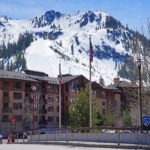
Mountain ranges shape continents, influence weather, feed major rivers, shelter extraordinary wildlife, and preserve thousands of years of human history. Some contain the highest summits on Earth, while others are celebrated for their geology, biodiversity, scenery, cultural importance, or opportunities for hiking and mountaineering.
This guide ranks 100 of the world’s most significant mountain ranges. The order is based on a combination of:
- Maximum elevation
- Geographic extent
- Geological significance
- Biodiversity and ecological importance
- Cultural and historical influence
- Mountaineering and hiking importance
- Global recognition
This is therefore an editorial ranking rather than a strict scientific league table. It includes both enormous mountain systems and especially important subranges. For example, the Andes appear alongside several of their distinctive regional cordilleras, while the Himalayas and Karakoram are treated separately.
Mountain elevations can also vary among surveys. Snow-covered and ice-covered summits may change over time, and some remote mountains have never received precise modern surveys. Approximate or disputed measurements are identified where appropriate.
🌏 The World’s Top 100 Mountain Ranges
1. Himalayas
Main region: South and Central Asia
Highest mountain: Mount Everest — 8,848.86 m
Why it stands out: The highest mountain range on Earth, containing ten of the world’s fourteen independent 8,000-meter peaks.
2. Andes
Main region: Western South America
Highest mountain: Aconcagua — 6,962 m
Why it stands out: The world’s longest continental mountain chain, extending approximately 7,000 kilometers along South America.
3. Rocky Mountains
Main region: Canada and the United States
Highest mountain: Mount Elbert — 4,401 m
Why it stands out: A vast North American system known for high plateaus, glaciated peaks, wildlife, and major national parks.
4. Alps
Main region: Central and Southern Europe
Highest mountain: Mont Blanc — approximately 4,806 m
Why it stands out: Europe’s best-known high mountain region and a historic center of climbing, skiing, science, and tourism.
5. Caucasus Mountains
Main region: Between the Black and Caspian seas
Highest mountain: Mount Elbrus — 5,642 m
Why it stands out: A rugged boundary region between Europe and Asia containing Europe’s highest conventionally recognized summit.
6. Atlas Mountains
Main region: Morocco, Algeria, and Tunisia
Highest mountain: Toubkal — 4,167 m
Why it stands out: North Africa’s dominant mountain system, rising between the Mediterranean, Atlantic, and Sahara.
7. Karakoram
Main region: Pakistan, China, and India
Highest mountain: K2 — 8,611 m
Why it stands out: Home to four 8,000-meter mountains and some of the longest glaciers outside the polar regions.
8. Hindu Kush
Main region: Afghanistan and Pakistan
Highest mountain: Tirich Mir — 7,708 m
Why it stands out: A historically important Central Asian crossroads characterized by deep valleys and remote high peaks.
9. Ural Mountains
Main region: Russia and Kazakhstan
Highest mountain: Mount Narodnaya — approximately 1,895 m
Why it stands out: Traditionally regarded as part of the geographic boundary between Europe and Asia.
10. Appalachian Mountains
Main region: Eastern North America
Highest mountain: Mount Mitchell — 2,037 m
Why it stands out: An ancient, heavily eroded system known for exceptional temperate-forest biodiversity and the Appalachian Trail.
11. Carpathian Mountains
Main region: Central and Eastern Europe
Highest mountain: Gerlachovský štít — 2,655 m
Why it stands out: A sweeping European arc containing extensive forests and important populations of bears, wolves, and lynx.
12. Pyrenees
Main region: Spain, France, and Andorra
Highest mountain: Aneto — 3,404 m
Why it stands out: A compact but dramatic range forming a natural barrier between the Iberian Peninsula and the rest of Europe.
13. Sierra Nevada
Main region: California and Nevada, United States
Highest mountain: Mount Whitney — approximately 4,421 m
Why it stands out: A granite-dominated range containing Yosemite, giant sequoia groves, and the highest summit in the contiguous United States.
14. Tian Shan
Main region: Kyrgyzstan, China, Kazakhstan, and Uzbekistan
Highest mountain: Jengish Chokusu — 7,439 m
Why it stands out: The “Celestial Mountains” form one of Central Asia’s greatest glaciated systems and a vital regional water source.
15. Altai Mountains
Main region: Russia, Mongolia, China, and Kazakhstan
Highest mountain: Mount Belukha — 4,506 m
Why it stands out: A culturally and ecologically important region where four countries meet.
16. Dinaric Alps
Main region: Western Balkan Peninsula
Highest mountain: Maja e Jezercës — 2,694 m
Why it stands out: A major limestone and karst system containing caves, enclosed basins, underground rivers, and rugged Adriatic landscapes.
17. Scandinavian Mountains
Main region: Norway and Sweden
Highest mountain: Galdhøpiggen — 2,469 m
Why it stands out: An ancient mountain system extensively reshaped by glaciers, especially along Norway’s fjord-cut western side.
18. Alaska Range
Main region: Alaska, United States
Highest mountain: Denali — 6,190.5 m
Why it stands out: Contains the highest mountain in North America and some of the continent’s greatest vertical relief.
19. Zagros Mountains
Main region: Iran, Iraq, and southeastern Turkey
Highest mountain: Qash-Mastan — approximately 4,409 m
Why it stands out: An immense fold-and-thrust belt associated with ancient settlements, rich biodiversity, and major oil-bearing formations.
20. Kunlun Mountains
Main region: Western China and the northern Tibetan Plateau
Highest mountain: Liushi Shan — approximately 7,167 m
Why it stands out: One of Asia’s longest mountain chains, forming much of the northern margin of the Tibetan Plateau.
21. Great Dividing Range
Main region: Eastern Australia
Highest mountain: Mount Kosciuszko — 2,228 m
Why it stands out: Australia’s most extensive upland system and the watershed dividing many east-flowing and inland-flowing rivers.
22. Pamir Mountains
Main region: Tajikistan, China, Afghanistan, and Kyrgyzstan
Highest mountain: Kongur Tagh — 7,649 m
Why it stands out: A high, arid mountain knot where several of Asia’s great ranges converge.
23. Drakensberg
Main region: South Africa and Lesotho
Highest mountain: Thabana Ntlenyana — 3,482 m
Why it stands out: Southern Africa’s highest range, known for basalt cliffs, grasslands, waterfalls, and extensive rock-art sites.
24. Cantabrian Mountains
Main region: Northern Spain
Highest mountain: Torre Cerredo — 2,650 m
Why it stands out: A rugged Atlantic-facing range that includes the Picos de Europa and important brown bear habitat.
25. Venezuelan Andes
Main region: Western Venezuela
Highest mountain: Pico Bolívar — approximately 4,978 m
Why it stands out: The northernmost major section of the Andes, rising above tropical valleys into páramo and formerly glaciated terrain.
26. Sayan Mountains
Main region: Southern Siberia and northern Mongolia
Highest mountain: Munku-Sardyk — 3,491 m
Why it stands out: A remote region of taiga, alpine tundra, glacial landforms, and Indigenous cultural traditions.
27. Brooks Range
Main region: Northern Alaska
Highest mountain: Mount Isto — approximately 2,736 m
Why it stands out: The northernmost major mountain range in the United States and a vast corridor for Arctic wildlife migrations.
28. Verkhoyansk Range
Main region: Sakha Republic, Russia
Highest mountain: Unnamed Orulgan-sector summit — approximately 2,409 m
Why it stands out: A remote Siberian system shaped by severe continental conditions and widespread permafrost.
29. Coast Mountains
Main region: British Columbia, Alaska, and Yukon
Highest mountain: Mount Waddington — 4,019 m
Why it stands out: A heavily glaciated Pacific range containing deep fjords, ice fields, temperate rainforests, and exceptionally rugged peaks.
30. Western Ghats
Main region: Western India
Highest mountain: Anamudi — 2,695 m
Why it stands out: A globally important biodiversity hotspot that strongly influences India’s monsoon and supports high levels of endemism.
31. Transantarctic Mountains
Main region: Antarctica
Highest mountain: Mount Kirkpatrick — 4,528 m
Why it stands out: One of Earth’s longest mountain systems, dividing East and West Antarctica and preserving major fossil deposits.
32. Sudetes
Main region: Czechia, Poland, and Germany
Highest mountain: Sněžka — 1,603 m
Why it stands out: A geologically varied Central European system containing forests, rock formations, and historic spa towns.
33. Cascade Range
Main region: Western Canada and the United States
Highest mountain: Mount Rainier — approximately 4,391 m
Why it stands out: A volcanic arc containing active and dormant volcanoes, extensive forests, and heavily glaciated peaks.
34. Ethiopian Highlands
Main region: Ethiopia and Eritrea
Highest mountain: Ras Dashen — approximately 4,550 m
Why it stands out: A vast dissected plateau containing dramatic escarpments, endemic wildlife, historic settlements, and Blue Nile headwaters.
35. Southern Alps
Main region: South Island, New Zealand
Highest mountain: Aoraki / Mount Cook — 3,724 m
Why it stands out: A young, rapidly uplifting range shaped by the Alpine Fault, earthquakes, glaciers, and heavy precipitation.
36. Sierra Madre Occidental
Main region: Western Mexico
Highest mountain: Cerro Mohinora — approximately 3,300 m
Why it stands out: A vast volcanic plateau and canyon region forming one of Mexico’s principal mountain systems.
37. Apennines
Main region: Italy
Highest mountain: Corno Grande — 2,912 m
Why it stands out: The mountainous backbone of the Italian Peninsula.
38. Hengduan Mountains
Main region: Southwestern China
Highest mountain: Gongga Shan — 7,556 m
Why it stands out: A biodiversity-rich region of parallel ranges and extraordinarily deep river gorges on the eastern Tibetan margin.
39. Andes of Tierra del Fuego
Main region: Chile and Argentina
Highest mountain: Monte Shipton — approximately 2,469 m
Why it stands out: The southernmost continuation of the Andes, characterized by maritime glaciers, fjords, forests, and severe weather.
40. Hijaz Mountains
Main region: Western Saudi Arabia
Highest mountain: Jabal Wirqān — approximately 2,393 m
Why it stands out: A Red Sea–parallel section of Arabia’s western highlands associated with ancient trade, pilgrimage, and volcanic landscapes.
41. Barisan Mountains
Main region: Sumatra, Indonesia
Highest mountain: Mount Kerinci — 3,805 m
Why it stands out: Sumatra’s volcanic backbone, containing active volcanoes, tropical forests, crater lakes, and rare wildlife.
42. Rwenzori Mountains
Main region: Uganda and the Democratic Republic of the Congo
Highest mountain: Margherita Peak, Mount Stanley — 5,109 m
Why it stands out: A fault-block range famous for equatorial alpine vegetation, high rainfall, bogs, glaciers, and striking rock summits.
43. Taurus Mountains
Main region: Southern Turkey
Highest mountain: Kızılkaya — approximately 3,767 m
Why it stands out: A complex limestone-dominated system forming a barrier between the Mediterranean coast and Anatolian interior.
44. Virunga Mountains
Main region: Rwanda, Uganda, and the Democratic Republic of the Congo
Highest mountain: Mount Karisimbi — 4,507 m
Why it stands out: A chain of volcanoes internationally known for mountain gorillas, high-altitude forests, and active volcanic landscapes.
45. Cordillera Central of Colombia
Main region: Colombia
Highest mountain: Nevado del Huila — approximately 5,364 m
Why it stands out: The highest of Colombia’s three principal Andean branches, containing active volcanoes, páramo, and forests.
46. Stanovoy Range
Main region: Russian Far East
Highest mountain: Skalisty Golets — 2,412 m
Why it stands out: A remote watershed range separating major Siberian river basins.
47. Owen Stanley Range
Main region: Papua New Guinea
Highest mountain: Mount Victoria — 4,038 m
Why it stands out: A steep tropical range containing cloud forests, remarkable biodiversity, and the historically important Kokoda Track.
48. Jotunheimen
Main region: Norway
Highest mountain: Galdhøpiggen — 2,469 m
Why it stands out: Norway’s highest mountain region, known for glacial valleys, alpine lakes, sharp summits, and extensive hiking routes.
49. Ahaggar Mountains
Main region: Southern Algeria
Highest mountain: Mount Tahat — 2,908 m
Why it stands out: A dramatic Saharan volcanic massif containing eroded plugs, high plateaus, prehistoric rock art, and Tuareg landscapes.
50. Cordillera Occidental of Ecuador
Main region: Ecuador
Highest mountain: Chimborazo — 6,263 m
Why it stands out: A volcanic Andean chain whose highest summit is the point on Earth’s surface farthest from the planet’s center.
51. Vindhya Range
Main region: Central India
Highest mountain: Sadbhavna Shikhar — 752 m
Why it stands out: A broken system of escarpments, plateaus, and hills with longstanding geographic and cultural importance.
52. Balkan Mountains
Main region: Bulgaria and eastern Serbia
Highest mountain: Botev Peak — 2,376 m
Why it stands out: A long east–west range that gave the Balkan Peninsula its modern name.
53. Mackenzie Mountains
Main region: Yukon and Northwest Territories, Canada
Highest mountain: Keele Peak — 2,952 m
Why it stands out: A remote northern system of plateaus, folded ridges, broad river valleys, and extensive wildlife habitat.
54. Sudirman Range
Main region: Western New Guinea, Indonesia
Highest mountain: Puncak Jaya — 4,884 m
Why it stands out: Contains the highest mountain in Oceania and the remnants of New Guinea’s rapidly retreating equatorial glaciers.
55. Cordillera Central of Luzon
Main region: Northern Philippines
Highest mountain: Mount Pulag — 2,928 m
Why it stands out: The Philippines’ largest mountain chain, containing cloud forests, watersheds, rice terraces, and diverse Indigenous cultures.
56. Qinling Mountains
Main region: Central China
Highest mountain: Mount Taibai — 3,767 m
Why it stands out: A major ecological and climatic divide between northern and southern China.
57. Sierras Pampeanas
Main region: Northwestern and central Argentina
Highest mountain: Cerro General Belgrano / Nevado de Famatina — approximately 6,100 m
Why it stands out: A collection of uplifted basement ranges separated from the main Andes.
58. Jura Mountains
Main region: France and Switzerland
Highest mountain: Crêt de la Neige — approximately 1,720 m
Why it stands out: A limestone range whose folded structure and landforms gave geologists the term “Jurassic.”
59. Bismarck Range and Papua New Guinea Highlands
Main region: Papua New Guinea
Highest mountain: Mount Wilhelm — 4,509 m
Why it stands out: A tropical highland region containing glacial landforms, alpine grasslands, and exceptional cultural diversity.
60. Pontic Mountains
Main region: Northern Turkey
Highest mountain: Kaçkar Dağı — 3,937 m
Why it stands out: A humid Black Sea range containing dense forests, alpine meadows, glacial lakes, and rugged peaks.
61. Khibiny Mountains
Main region: Kola Peninsula, Russia
Highest mountain: Yudychvumchorr — 1,201 m
Why it stands out: An ancient Arctic massif renowned for unusual geology, mineral deposits, tundra, and broad plateau summits.
62. Wicklow Mountains
Main region: Ireland
Highest mountain: Lugnaquilla — 925 m
Why it stands out: Ireland’s largest continuous upland region, known for granite mountains, peatlands, glacial valleys, and monastic sites.
63. Vosges Mountains
Main region: Eastern France
Highest mountain: Grand Ballon — 1,424 m
Why it stands out: A rounded, forested range bordering the Rhine Rift Valley and overlooking the Alsatian plain.
64. Ore Mountains
Main region: Germany and Czechia
Highest mountain: Klínovec — 1,244 m
Why it stands out: A historic European mining region whose cultural landscape is recognized by UNESCO.
65. Cairngorms
Main region: Scotland, United Kingdom
Highest mountain: Ben Macdui — 1,309 m
Why it stands out: Britain’s largest high-level mountain plateau, supporting severe subarctic conditions and specialized wildlife.
66. Troodos Mountains
Main region: Cyprus
Highest mountain: Mount Olympus — 1,952 m
Why it stands out: A volcanic and ophiolitic massif exposing a remarkably complete section of ancient oceanic crust.
67. Massif Central
Main region: South-central France
Highest mountain: Puy de Sancy — approximately 1,886 m
Why it stands out: A vast upland containing extinct volcanic fields, plateaus, deep valleys, pasturelands, and thermal springs.
68. Rhodope Mountains
Main region: Bulgaria and Greece
Highest mountain: Golyam Perelik — 2,191 m
Why it stands out: An old, forested Balkan massif associated with caves, gorges, villages, and ancient Thracian heritage.
69. Pindus Mountains
Main region: Greece and Albania
Highest mountain: Mount Smolikas — 2,637 m
Why it stands out: Often called the backbone of mainland Greece, with limestone peaks, gorges, forests, and remote villages.
70. Măcin Mountains
Main region: Southeastern Romania
Highest mountain: Țuțuiatu Peak — 467 m
Why it stands out: A deeply eroded remnant of an ancient mountain-building episode.
71. Grampian Mountains
Main region: Scotland, United Kingdom
Highest mountain: Ben Nevis — 1,345 m
Why it stands out: Scotland’s largest mountain region and home to the highest summit in the British Isles.
72. Cambrian Mountains
Main region: Wales, United Kingdom
Highest mountain: Pumlumon Fawr — 752 m
Why it stands out: A sparsely populated upland of moorland, reservoirs, peat bogs, and major Welsh river headwaters.
73. Tatra Mountains
Main region: Slovakia and Poland
Highest mountain: Gerlachovský štít — 2,655 m
Why it stands out: The highest and most alpine section of the Carpathians, with sharp summits and glacial lakes.
74. Rila Mountains
Main region: Bulgaria
Highest mountain: Musala — 2,925 m
Why it stands out: The highest mountain range in Bulgaria and the Balkan Peninsula.
75. Pirin Mountains
Main region: Bulgaria
Highest mountain: Vihren — 2,914 m
Why it stands out: A compact alpine range known for marble ridges, limestone peaks, and glacial lakes.
76. Cordillera Central of the Dominican Republic
Main region: Hispaniola
Highest mountain: Pico Duarte — approximately 3,098 m
Why it stands out: The highest mountain system in the Caribbean.
77. Blue Mountains
Main region: New South Wales, Australia
Highest mountain: Mount Werong — approximately 1,215 m
Why it stands out: A deeply dissected sandstone plateau celebrated for cliffs, canyons, waterfalls, and eucalyptus forests.
78. Snowy Mountains
Main region: Southeastern Australia
Highest mountain: Mount Kosciuszko — 2,228 m
Why it stands out: Australia’s highest mountain region and the principal alpine section of the Great Dividing Range.
79. Eastern Ghats
Main region: Eastern India
Highest mountain: Jindhagada / Arma Konda — approximately 1,690 m
Why it stands out: A discontinuous system of ancient hills and plateaus crossed by several major rivers.
80. Aravalli Range
Main region: Northwestern India
Highest mountain: Guru Shikhar — 1,722 m
Why it stands out: A very old, deeply eroded system separating parts of the Thar Desert from more humid regions.
81. Satpura Range
Main region: Central India
Highest mountain: Dhupgarh — approximately 1,350 m
Why it stands out: A forested system containing plateaus, river headwaters, tiger habitat, and extensive protected areas.
82. Cardamom Mountains
Main region: Cambodia and Thailand
Highest mountain: Phnom Aural — 1,813 m
Why it stands out: One of mainland Southeast Asia’s largest remaining forest landscapes.
83. Annamite Range
Main region: Laos and Vietnam
Highest mountain: Phou Bia — 2,819 m
Why it stands out: A long, forested spine containing many rare and recently documented animal species.
84. Tenasserim Hills
Main region: Myanmar and Thailand
Highest mountain: Myinmoletkat Taung — approximately 2,072 m
Why it stands out: A tropical border range containing evergreen forests, limestone areas, and important wildlife corridors.
85. Chin Hills
Main region: Myanmar and northeastern India
Highest mountain: Nat Ma Taung — 3,053 m
Why it stands out: A remote extension of the Indo-Burman ranges known for montane forests and diverse Indigenous cultures.
86. Cordillera Darwin
Main region: Chilean Tierra del Fuego
Highest mountain: Monte Shipton — approximately 2,469 m
Why it stands out: A compact maritime subrange with extensive glaciers, steep fjords, and exceptionally difficult access.
87. Sierras de Córdoba
Main region: Central Argentina
Highest mountain: Cerro Champaquí — approximately 2,790 m
Why it stands out: An isolated group of uplifted ranges characterized by high grasslands, granite terrain, and clear streams.
88. Great Khingan Range
Main region: Northeastern China
Highest mountain: Huanggangliang — approximately 2,029 m
Why it stands out: A forested volcanic upland separating parts of the Mongolian Plateau from northeastern China’s plains.
89. Cordillera de Talamanca
Main region: Costa Rica and Panama
Highest mountain: Cerro Chirripó — approximately 3,821 m
Why it stands out: The highest nonvolcanic range in Central America, containing cloud forests, páramo, and protected wilderness.
90. Alborz Mountains
Main region: Northern Iran
Highest mountain: Mount Damavand — approximately 5,610 m
Why it stands out: A high barrier between the Caspian lowlands and Iranian Plateau, crowned by Asia’s highest volcano.
91. Trans-Mexican Volcanic Belt
Main region: Central Mexico
Highest mountain: Pico de Orizaba — 5,636 m
Why it stands out: An active volcanic arc containing Mexico’s highest mountains and several prominent volcanoes.
92. Lesser Caucasus
Main region: Armenia, Georgia, Azerbaijan, and eastern Turkey
Highest mountain: Mount Aragats — 4,090 m
Why it stands out: A complex system of volcanic plateaus, folded ranges, high lakes, and culturally important uplands.
93. Cordillera Occidental of Colombia
Main region: Western Colombia
Highest mountain: Cerro Tatamá — approximately 4,100 m
Why it stands out: The lowest of Colombia’s three main Andean branches, but exceptionally rich in cloud forests and endemic wildlife.
94. Cordillera Occidental of Peru
Main region: Western Peru
Highest mountain: Huascarán — 6,768 m
Why it stands out: A broad western Andean system that includes the heavily glaciated Cordillera Blanca.
95. Cordillera Central of Costa Rica
Main region: Central Costa Rica
Highest mountain: Irazú Volcano — 3,432 m
Why it stands out: A compact volcanic chain containing Irazú, Turrialba, Barva, and Poás.
96. Wind River Range
Main region: Wyoming, United States
Highest mountain: Gannett Peak — 4,207 m
Why it stands out: A granite range of sharp peaks, alpine lakes, glaciers, wilderness areas, and exceptional trekking routes.
97. Cordillera Occidental of Bolivia
Main region: Western Bolivia
Highest mountain: Nevado Sajama — 6,542 m
Why it stands out: A volcanic highland chain characterized by salt flats, desert basins, hot springs, and giant volcanoes.
98. Făgăraș Mountains
Main region: Romania
Highest mountain: Moldoveanu Peak — 2,544 m
Why it stands out: The highest section of Romania’s Southern Carpathians, known for sharp ridges and glacial lakes.
99. Ozark Mountains
Main region: Arkansas, Missouri, Oklahoma, and Kansas
Highest mountain: Wahzhazhe Summit — 781 m
Why it stands out: An eroded plateau system containing karst landscapes, caves, springs, forests, bluffs, and river valleys.
100. Patagonian Andes
Main region: Southern Chile and Argentina
Highest mountain: Monte San Valentín — approximately 4,058 m
Why it stands out: A spectacular region of granite towers, volcanoes, rainforests, enormous ice fields, fjords, and powerful storms.
🏔️ Which Mountain Range Is the Highest in the World?
The Himalayas are the world’s highest mountain range. Their highest summit, Mount Everest, reaches 8,848.86 meters above sea level.
The Himalayas contain ten of the fourteen generally recognized 8,000-meter mountains. The remaining four—K2, Gasherbrum I, Broad Peak, and Gasherbrum II—are in the Karakoram.
📏 What Is the Longest Mountain Range on Land?
The Andes are the world’s longest continental mountain range. They extend for roughly 7,000 kilometers along the western side of South America, passing through or bordering seven countries.
The longer global mid-ocean ridge system lies mostly beneath the oceans and is therefore not normally included in lists of terrestrial mountain ranges.
🧭 Why Are Some Subranges Included Separately?
Mountain geography is hierarchical. A large system may contain numerous ranges, subranges, massifs, plateaus, and volcanic chains.
For example:
- The Karakoram and Himalayas form separate ranges within the broader mountain region surrounding the Tibetan Plateau.
- The Tatra Mountains are the highest part of the larger Carpathian Mountains.
- The Snowy Mountains are the highest section of the Great Dividing Range.
- The Cordillera Darwin is a particularly rugged subrange within the Andes of Tierra del Fuego.
These subranges are included because they have distinct geography, ecosystems, cultural identities, or mountaineering importance.
🌋 How Are Mountain Ranges Formed?
Most major mountain ranges form through one or more of the following processes:
Continental Collision
Ranges such as the Himalayas, Alps, and Zagros Mountains developed where continental crust was compressed, folded, faulted, and uplifted.
Subduction and Volcanism
The Andes, Cascade Range, and Trans-Mexican Volcanic Belt are associated with subduction zones where one tectonic plate descends beneath another.
Faulting and Uplift
Ranges can form when large blocks of Earth’s crust rise or tilt along faults. The Rwenzori Mountains are an exceptional high fault-block range.
Erosion of Plateaus
Some landscapes commonly called mountain ranges are deeply dissected plateaus or escarpments. The Blue Mountains and parts of the Great Dividing Range are important examples.
Ancient Volcanic Activity
The Ahaggar Mountains, Massif Central, and Khibiny Mountains contain landscapes created or strongly influenced by ancient volcanic and intrusive activity.
🌿 Why Mountain Ranges Matter
Mountain regions cover only part of Earth’s land surface, but their global importance is enormous. They:
- Supply water to billions of people
- Contain headwaters of major rivers
- Create rain shadows and regional climate zones
- Preserve glaciers and seasonal snowpacks
- Support highly specialized plants and animals
- Provide refuge for threatened species
- Contain important forests and carbon stores
- Support farming, grazing, tourism, mining, and hydropower
- Preserve sacred landscapes and long-established cultural traditions
Mountain ecosystems are also especially sensitive to rising temperatures. Retreating glaciers, thawing permafrost, changing snow cover, wildfires, habitat movement, and altered water supplies are already affecting ranges around the world.
🏔️ Field Guide Tip
When comparing mountains and ranges, check how the geographic boundary has been defined. A summit may be listed as the highest point of a range under one classification but assigned to a neighboring subrange under another.
This is especially important in complex regions such as the Pamirs, Kunlun, Caucasus, Andes, Tibetan Plateau, and the mountains of New Guinea.
❓ Frequently Asked Questions
What are the five highest mountain ranges?
Definitions vary, but the ranges containing the world’s highest summits include the Himalayas, Karakoram, Hindu Kush, Pamir Mountains, and Hengduan Mountains.
Which range contains the most 8,000-meter mountains?
The Himalayas contain ten of the fourteen recognized 8,000-meter mountains. The Karakoram contains the remaining four.
What is the highest mountain outside Asia?
Aconcagua in the Andes is the highest mountain outside Asia. It rises to approximately 6,962 meters in Argentina.
What is the highest mountain in North America?
Denali in the Alaska Range is the highest mountain in North America at 6,190.5 meters.
What is the highest mountain in Europe?
Under the commonly used Europe–Asia boundary, Mount Elbrus in the Caucasus is Europe’s highest mountain at 5,642 meters.
Some geographic classifications place the Caucasus in Asia. Under that interpretation, Mont Blanc is the highest mountain in Europe west of the Caucasus.
Are all mountain elevations exact?
No. Measurements may differ because of surveying methods, vertical datums, snow accumulation, glacier loss, disputed summit locations, or limited access.
Elevations are particularly likely to change or remain uncertain on ice-covered mountains such as Mont Blanc, Mount Rainier, and Monte San Valentín.
🔗 Related Mountain Guides
- Mountain Ranges
- Highest Mountains
- Famous Mountains
- Mountains by Continent
- Mountains by Country
- Highest Mountains by Continent
- The World’s 100 Highest Mountains
- Mountain Ranges of Asia
- Mountain Ranges of Europe
- Mountain Ranges of North America
- Mountain Ranges of South America
- Mountain Ranges of Africa
- Mountain Ranges of Australia and Oceania
- Mountain Ranges of Antarctica
Sources
- Peakbagger – Peak and Mountain Range Lists
- NASA Earth Observatory – 8,000-Meter Peaks of the Himalaya and Karakoram
- U.S. Geological Survey – This Dynamic Earth
- UNESCO World Heritage List
- Argentina CONAE – Cerro General Belgrano and the Sierra de Famatina