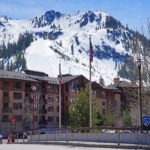
Rising majestically from the high plains of western Wyoming, the Wind River Range stands as one of America’s most spectacular and pristine mountain wilderness areas. Known simply as “the Winds” to those who’ve experienced its raw beauty, this 100-mile stretch of granite spires, alpine lakes, and untamed wilderness represents the very essence of what makes the American West legendary.
Geology
The Wind River Range tells an extraordinary geological story spanning over one billion years. At its heart lies a massive granitic batholith—ancient granite formed deep beneath the Earth’s surface and gradually exposed through millions of years of erosion. This geological foundation creates the range’s distinctive character: towering granite walls, knife-edge ridges, and the dramatic spires that have made locations like the Cirque of the Towers world-famous among climbers.
The Continental Divide follows the range’s crest, creating a natural boundary where waters flow either toward the Pacific or Atlantic oceans. This positioning has blessed the Winds with over 1,300 alpine lakes on the western slope alone, each one a pristine mirror reflecting the surrounding peaks.
Gannett Peak, at 13,804 feet, claims the distinction of Wyoming’s highest summit, while Fremont Peak follows closely at 13,750 feet. Remarkably, more than 40 named peaks exceed 13,000 feet, creating a high-altitude playground that rivals any mountain range in the lower 48 states.
The range’s glacial heritage remains visible today through 156 glaciers on the eastern slopes and another 27 on the western faces. Gannett Glacier, flowing down from the north face of Gannett Peak, holds the distinction of being the largest glacier in the U.S. Rocky Mountains—a testament to the range’s ability to capture and hold the region’s precious snowfall.
Wildlife Kingdom of the High Country
The Wind River Range supports an ecosystem of remarkable diversity, functioning as a crucial component of the Greater Yellowstone Ecosystem. This pristine environment harbors species that have roamed these mountains for millennia.
Grizzly bears patrol the northern reaches of the range, while black bears are more commonly encountered throughout the wilderness areas. The high meadows and alpine basins provide critical habitat for elk and moose, whose bugling calls echo across the valleys during autumn rutting season.
The range’s bighorn sheep navigate impossible-looking cliff faces with ease, while mountain goats claim the highest, most precipitous terrain. Wolverines—among North America’s most elusive predators—find refuge in the range’s remote cirques and high basins.
Overhead, bald eagles soar on thermals rising from sun-warmed granite faces, while peregrine falcons nest on vertical cliff walls. The diverse bird population includes over 300 species, from tiny mountain bluebirds to massive golden eagles.
The pristine waters support thriving populations of Yellowstone cutthroat trout, rainbow trout, and golden trout. Many of these fish populations trace their origins to the remarkable stocking efforts of explorer Finis Mitchell, who, along with his wife, introduced over 2.5 million trout into previously fishless alpine lakes during the Great Depression.
The forests themselves tell stories of adaptation and resilience. Lodgepole pine dominates lower elevations, while whitebark pine and Engelmann spruce claim the harsh, wind-swept upper reaches. Subalpine fir creates dense stands in protected valleys, providing crucial winter habitat for wildlife.
Trail Networks for Every Adventure Level
The Wind River Range offers an extensive network of trails accessing some of the most spectacular wilderness in North America. Each trailhead opens doors to different aspects of the range’s character, from gentle lake-dotted valleys to challenging high-altitude routes.
Elkhart Park Trailhead (9,280 feet) serves as the gateway to the legendary Titcomb Basin, perhaps the most photographed location in the entire range. The approach follows Fremont Creek through a series of stunning lakes before opening into the basin itself—a granite amphitheater surrounded by 13,000-foot peaks and active glaciers.
Big Sandy Trailhead (9,080 feet) provides access to the Cirque of the Towers, a collection of granite spires that has become synonymous with American alpine climbing. The relatively short approach makes this area accessible to day hikers, though the surrounding peaks offer world-class multi-day climbing objectives.
Green River Lakes Trailhead (8,040 feet) offers perhaps the most scenic drive-up views in the range, with Squaretop Mountain providing a dramatic backdrop to the emerald waters of Green River Lakes. From here, trails lead deep into the northern Winds, accessing remote basins and challenging peak routes.
Boulder Lake Trailhead (7,780 feet) opens the eastern approach to the range through Shoshone National Forest. This less-crowded access point leads to spectacular fishing lakes and provides alternative routes to many of the range’s major peaks.
For those seeking solitude, Scab Creek and Spring Creek Park trailheads offer access to the range’s more remote northern sections, where encounters with other hikers become increasingly rare and the wilderness experience intensifies.
Mountaineering Paradise: Granite Spires and Alpine Routes
The Wind River Range has earned its reputation as one of America’s premier mountaineering destinations. The combination of solid granite, dramatic exposure, and pristine wilderness creates an alpine environment that challenges and rewards climbers of every skill level.
Gannett Peak represents the ultimate Wyoming mountaineering objective. The standard route involves glacier travel, requiring technical skills and proper equipment. The approach through Titcomb Basin provides acclimatization opportunities while showcasing some of the range’s most spectacular scenery.
The Cirque of the Towers offers concentrated world-class climbing within a relatively small area. Pingora Peak, Wolf’s Head, and Shark’s Nose provide classic routes ranging from moderate scrambles to technical aid climbs. The solid granite and dramatic exposure have made these peaks legendary among American climbers.
Fremont Peak offers multiple route options, from the standard East Ridge to more technical variations on the north face. As Wyoming’s third-highest peak, it provides spectacular summit views encompassing the entire range.
For experienced alpinists, routes like the East Face of Mount Hooker and the North Face of Mount Whitecap offer serious technical challenges in committing alpine environments. These objectives require advanced skills, careful planning, and respect for the range’s unpredictable weather patterns.
The range’s granite provides exceptional rock quality, with many routes following natural crack systems and corner features. The high altitude—most technical climbing occurs above 11,000 feet—adds an additional challenge that demands proper acclimatization and fitness.
Planning Your Wind River Adventure
Success in the Wind River Range requires careful preparation and respect for the wilderness environment. The range’s remote nature and unpredictable weather demand self-sufficiency and conservative decision-making.
Wilderness permits are required for overnight camping in all three wilderness areas: Bridger Wilderness, Fitzpatrick Wilderness, and Popo Agie Wilderness. These permits help manage visitor impact while ensuring the wilderness character remains intact.
Weather in the Winds can change rapidly, with afternoon thunderstorms common during summer months. Snow is possible at high elevations throughout the year, and temperatures can drop dramatically after sunset. Quality gear and layering systems are essential for safe travel.
Water sources are generally abundant, but proper treatment is necessary. The range’s pristine appearance can be deceiving—giardia and other waterborne pathogens exist even in the most remote locations.
Bear safety protocols are essential throughout the range. Proper food storage using bear canisters or hanging techniques protects both wildlife and visitors. The presence of grizzly bears in northern areas requires additional vigilance and preparation.
Preserving the Wilderness Legacy
The Wind River Range’s designation as wilderness area reflects a commitment to preserving these mountains in their natural state. This protection ensures that future generations will experience the same sense of wonder and challenge that has drawn adventurers to these peaks for over a century.
Leave No Trace principles become especially critical in this fragile alpine environment. Camping on durable surfaces, properly disposing of waste, and minimizing campfire impacts help preserve the wilderness character that makes the Winds so special.
The range’s popularity has created management challenges, particularly in iconic areas like the Cirque of the Towers and Titcomb Basin. Visitors can help by choosing less popular destinations, traveling during off-peak periods, and practicing low-impact camping techniques.
Plan Your Wind River Adventure through the official Forest Service website for current permit information and trail conditions.
The Wind River Range stands as testament to the power of wilderness preservation and the enduring appeal of wild places. Whether you’re drawn by the challenge of technical climbing, the solitude of backcountry hiking, or simply the desire to experience one of America’s last great wildernesses, the Winds offer adventures that will resonate long after you’ve returned to civilization.
In these granite spires and alpine basins, the spirit of the American West lives on—wild, challenging, and utterly magnificent.