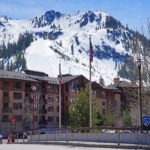
The Balkan Mountains, known locally as Stara Planina or “Old Mountain,” form one of southeastern Europe’s most historically and geographically important mountain systems. Stretching for roughly 550–560 kilometers from the Serbian-Bulgarian border across the heart of Bulgaria to the Black Sea, the range forms a dramatic natural backbone of the country.
The mountains contain deep river gorges, long forested ridges, high meadows, waterfalls, caves, historic passes, and some of Bulgaria’s richest wildlife habitat. Their highest point is Botev Peak at 2,376 meters (7,795 feet).
The importance of the range extends far beyond Bulgaria. The word “Balkan” eventually became the geographic name applied to the much larger Balkan Peninsula and southeastern European region.
🏔️ Overview
The Balkan Mountains extend predominantly west to east through Bulgaria, beginning near the border with Serbia and continuing almost completely across the country before descending to Cape Emine on the Black Sea.
Most of the range lies within Bulgaria, although its westernmost mountain country reaches into eastern Serbia.
Rather than forming one uniform wall of peaks, Stara Planina is a varied system of ridges, valleys, cliffs, passes, forests, and uplands. Geographers commonly divide the range into three broad sections:
- Western Balkan Mountains
- Central Balkan Mountains
- Eastern Balkan Mountains
The Central Balkan contains the highest and most rugged terrain, including Botev Peak and extensive areas now protected within Central Balkan National Park.
⚡ Fast Facts
| Feature | Details |
|---|---|
| Continent | Europe |
| Countries | Bulgaria and Serbia |
| Local Name | Stara Planina (“Old Mountain”) |
| Historic Name | Haemus / Haemus Mons |
| Mountain System | Balkan Fold-Thrust Belt / Balkanides |
| Approximate Length | About 550–560 km (340–350 mi) |
| Orientation | Predominantly west–east |
| Highest Peak | Botev Peak |
| Highest Elevation | 2,376 m (7,795 ft) |
| Major Divisions | Western, Central and Eastern Balkan Mountains |
| Eastern Endpoint | Cape Emine, Black Sea |
| Major Protected Area | Central Balkan National Park |
| Notable Long-Distance Route | Kom–Emine / E3 trail |
📍 Location
The Balkan Mountains occupy a central position within Bulgaria.
From the Serbian-Bulgarian border region, the range runs eastward across northern-central Bulgaria before gradually becoming lower toward the Black Sea coast.
This position makes Stara Planina one of Bulgaria’s most important physical geographic features. For much of its length, the mountains form a conspicuous divide between northern and southern Bulgaria.
The range also influences drainage patterns. Parts of its main crest form a watershed between rivers ultimately flowing toward the Danube and Black Sea and waterways draining southward toward the Aegean basin.
One remarkable exception to the mountain barrier is the Iskar Gorge, where the Iskar River cuts through the Balkan Mountains north of Sofia.
📏 Highest Point: Botev Peak
At 2,376 meters (7,795 feet), Botev Peak is the highest mountain in the Balkan Mountains.
Located in the Central Balkan Mountains, it rises within Central Balkan National Park and dominates one of the wildest landscapes in Bulgaria.
Botev is an especially prominent summit and is one of the major mountains of Bulgaria, although it is lower than the country’s highest peaks in the Rila Mountains and Pirin Mountains.
The summit is named after Hristo Botev, the Bulgarian poet and revolutionary. Before being renamed in 1950, the mountain was commonly known as Yumrukchal.
Today, Botev is also an important hiking destination, although the ascent should not be underestimated. High winds, fog, rain, thunderstorms, and rapidly changing mountain weather can make the exposed upper slopes challenging.
🗺️ Western, Central & Eastern Balkan Mountains
The character of Stara Planina changes considerably from west to east.
Western Balkan Mountains
The western section begins near Serbia and contains rugged limestone landscapes, gorges, caves, forested ridges, and dramatic rock formations.
The Iskar Gorge is one of its most important geographical features. The river cuts completely through the mountain system, producing steep cliffs and a natural transport corridor between northern Bulgaria and the Sofia region.
Central Balkan Mountains
The central portion is the highest section of the range.
Here the landscape becomes more alpine in character, with broad high ridges, steep valleys, exposed summits, waterfalls, high-altitude grasslands, and extensive forests.
Botev Peak is located here, along with much of Central Balkan National Park.
Eastern Balkan Mountains
Eastward, elevations gradually decrease.
The mountains become generally lower and less severe as they approach Bulgaria’s Black Sea coast. Eventually the long mountain chain terminates around Cape Emine, where steep coastal terrain overlooks the Black Sea.
🪨 Geology
The geology of the Balkan Mountains is exceptionally complicated.
Stara Planina is associated with the Balkan Fold-Thrust Belt, part of the northern branch of the broader Alpine-Himalayan mountain-building system.
Its geological foundations include very old basement rocks as well as younger sedimentary sequences that were repeatedly deformed through folding, faulting, thrusting, uplift, and erosion.
Paleozoic rocks occur within the range, while extensive areas also contain Mesozoic sedimentary formations dating from the Triassic, Jurassic, and Cretaceous periods.
Limestone is especially important in certain areas. Dissolution of carbonate rock has helped create a variety of karst landscapes, including caves, sinkholes, springs, cliffs, and deeply cut valleys.
The geological variety of Stara Planina is one reason the range can look dramatically different from one region to another.
🌿 Flora & Fauna
The Balkan Mountains contain some of Bulgaria’s most valuable natural habitats.
Forests cover extensive slopes, with beech forests particularly important in the Central Balkan region. Higher elevations transition into subalpine grasslands, rocky ridges, cliffs, and open mountain meadows.
Central Balkan National Park and its surrounding biosphere reserve support an exceptionally diverse flora. UNESCO records almost 1,700 species of higher plants in the core and buffer zones of the Central Balkan Biosphere Reserve, including numerous endemic and conservation-important species.
Large mammals found within the broader Central Balkan landscape include:
- Brown bears
- Wolves
- Red deer
- Roe deer
- Wild boar
- Chamois
- Wildcats
The combination of steep topography, extensive forest, isolated valleys, and protected reserves has allowed significant areas of relatively wild mountain habitat to survive.
Ancient and old-growth beech forests within the national park also form part of the multinational UNESCO World Heritage property protecting the Ancient and Primeval Beech Forests of the Carpathians and Other Regions of Europe.

🥾 Hiking & Climbing Routes
Stara Planina is one of Bulgaria’s great hiking regions.
Hundreds of kilometers of marked trails cross Central Balkan National Park alone, connecting mountain huts, villages, waterfalls, forests, passes, and major summits.
Kom–Emine Trail
The most famous long-distance journey through the Balkan Mountains is the Kom–Emine route.
The trail follows the crest of Stara Planina from the western mountains toward Cape Emine on the Black Sea and forms part of the European E3 long-distance trail system.
Completing the entire route is a major undertaking involving weeks of ridge walking, significant elevation changes, remote terrain, and variable weather.
Botev Peak
Several trails lead toward Botev Peak.
One of the best-known approaches begins around Kalofer and passes through the dramatic landscape near Rayskoto Praskalo, Bulgaria’s highest permanent waterfall, before climbing toward the summit region.
Central Balkan National Park
The national park maintains an extensive network of routes through its forests, meadows, reserves, waterfalls, and mountain ridges.
Hikers can choose anything from relatively short nature walks to demanding multi-day journeys along the main crest.
🏔️ Field Guide Tip: Weather on the exposed Stara Planina ridge can deteriorate rapidly, even when conditions in the valleys appear pleasant. Carry waterproof layers, adequate water, navigation tools, and extra insulation when attempting long ridge hikes or high summits such as Botev.
🌤️ Best Time to Visit
For hiking, the most accessible season is generally late spring through early autumn, with summer offering the greatest opportunity for snow-free travel on the highest ridges.
June and July bring green meadows and wildflowers, while September can provide cooler temperatures and colorful forests.
Mountain weather remains unpredictable throughout the warmer months, and thunderstorms, fog, strong winds, and sudden temperature drops are possible.
Winter transforms Stara Planina completely. Snow can cover the higher mountains for extended periods, and exposed ridges may become hazardous because of ice, wind, poor visibility, and avalanche conditions.
Winter mountain travel requires appropriate experience and equipment.
🏛️ History & Cultural Importance
Humans have crossed and inhabited the Balkan Mountains for thousands of years.
In antiquity, the mountains were known as Haemus or Haemus Mons, names associated with ancient Thracian and classical geography.
Mountain passes through Stara Planina later became strategically important transportation and military corridors.
Perhaps the most famous is Shipka Pass.
During the Russo-Turkish War of 1877–1878, fierce fighting took place around Shipka Pass. The battles became an important episode in Bulgarian history and are commemorated today by monuments and preserved battlefield sites around Shipka Peak.
The mountains also provided refuge for settlements, monasteries, shepherds, traders, revolutionaries, and travelers through different periods of Bulgarian history.
🌲 Central Balkan National Park
Established in 1991, Central Balkan National Park protects approximately 720 square kilometers of the highest section of the range.
The park includes nine nature reserves and preserves landscapes ranging from ancient forest to rugged cliffs and high mountain meadows.
Its trail network extends for hundreds of kilometers, providing access to waterfalls, mountain huts, viewpoints, forests, and major summits.
In 2017, the larger Central Balkan Biosphere Reserve was recognized through UNESCO’s Man and the Biosphere Programme.
The combination of biodiversity, historic landscapes, old forests, and extensive hiking opportunities makes this one of the most important protected mountain areas in southeastern Europe.
🧭 Nearby Mountains & Attractions
Travelers exploring the Balkan Mountains can combine Stara Planina with several other major Bulgarian mountain regions.
Rila Mountains
Southwest of Stara Planina, the Rila Mountains contain Musala, Bulgaria’s highest summit and the highest mountain on the Balkan Peninsula.
Pirin Mountains
Farther south are the spectacular Pirin Mountains, characterized by sharp ridges, marble and granite peaks, glacial landforms, and high mountain lakes.
Rhodope Mountains
The Rhodopes spread across southern Bulgaria and into Greece. Compared with the highest parts of Stara Planina, much of the range has a more rolling, heavily forested landscape punctuated by gorges, caves, villages, and rocky plateaus.
Iskar Gorge
North of Sofia, the Iskar River cuts a dramatic corridor through the western Balkan Mountains, providing access to cliffs, monasteries, caves, waterfalls, villages, and hiking routes.
Shipka Pass
Shipka combines mountain scenery with some of the most important historical landmarks in Bulgaria.

💡 Fun Facts
- Stara Planina means “Old Mountain.”
- The Balkan Mountains gave their name to the much larger Balkan Peninsula.
- The range extends for more than 550 kilometers from the Serbian-Bulgarian border region to the Black Sea.
- Botev Peak, at 2,376 meters, is the highest point.
- The Iskar River cuts completely through the mountains via the spectacular Iskar Gorge.
- The mountains contain important beech forests, some of which are included within a UNESCO World Heritage property.
- The famous Kom–Emine trail follows much of the main mountain crest.
- Shipka Pass has played an important role in Bulgarian transportation and military history.
- Stara Planina remains one of the most important wildlife refuges in Bulgaria.
❓ Frequently Asked Questions
Where are the Balkan Mountains?
The Balkan Mountains stretch across eastern Serbia and Bulgaria in southeastern Europe. Most of the range lies in Bulgaria, running west to east across the country before reaching the Black Sea at Cape Emine.
What are the Balkan Mountains called in Bulgaria?
They are commonly called Stara Planina, meaning “Old Mountain.”
What is the highest mountain in the Balkan Mountains?
Botev Peak is the highest summit at 2,376 meters (7,795 feet).
Are the Balkan Mountains the highest mountains in Bulgaria?
No. Bulgaria’s highest range is the Rila Mountains, whose highest summit, Musala, reaches approximately 2,925 meters. Pirin is also higher than Stara Planina.
Why are they called the Balkan Mountains?
The name “Balkan” became associated with this mountain range and was later extended geographically to the wider Balkan Peninsula and southeastern European region.
Can you hike across the entire Balkan Mountains?
A major long-distance route called Kom–Emine follows the crest of the mountains across Bulgaria and forms part of the European E3 trail network. Completing it requires significant preparation and typically involves an extended multi-day journey.
Is Botev Peak difficult to climb?
Botev can be reached on established hiking routes, but the journey is long and conditions on its exposed upper slopes can be demanding. Rapidly changing weather, strong winds, fog, snow, and thunderstorms can increase the difficulty.
Are there bears in the Balkan Mountains?
Yes. Brown bears occur in parts of the Balkan Mountains, particularly within large forested and protected landscapes such as Central Balkan National Park.
🔗 Related Articles
📚 Sources
- Wikipedia — Balkan Mountains — Geographic extent, terminology, highest peak, major divisions, watershed and general physical geography.
- Geologica Balcanica — The Balkan Fold-Thrust Belt: An Overview of the Main Features — Geological structure, tectonic development and the range’s association with the Alpine-Himalayan orogenic system.
- UNESCO — Central Balkan Biosphere Reserve — Biodiversity, flora, endemic species and conservation significance of the Central Balkan region.
- Visit Bulgaria — Central Balkan National Park — National park geography, reserves, hiking routes, Kom–Emine/E3 trail and protected forests.
- Visit Bulgaria — National Park-Museum Shipka — Shipka Peak, Shipka Pass and the historic battles of 1877–1878.