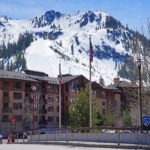
🏔️ Overview
The Scandinavian Mountains, also known as the Scandes, form the mountainous backbone of the Scandinavian Peninsula. Extending for approximately 1,700 kilometers through Norway and Sweden—and reaching the far northwestern corner of Finland—the range is one of the longest mountain systems in Europe.
Although the Scandinavian Mountains are not as high as the Alps, their landscapes can be remarkably dramatic. Steep peaks rise directly above deep Norwegian fjords, glaciers occupy high valleys, and broad plateaus stretch across the interior. Farther east, the mountains generally descend more gradually into the forests, lakes, and wetlands of Sweden.
The range includes Norway’s highest mountain, Galdhøpiggen, as well as Sweden’s highest point on the northern summit of Kebnekaise. It also contains internationally known hiking regions such as Jotunheimen, Hardangervidda, Abisko, Sarek, and the Kungsleden trail.
Geologically, the Scandes preserve the deeply eroded remains of the ancient Caledonian mountain belt. However, the mountains visible today are not simply unchanged remnants of a 400-million-year-old range. Later uplift, river erosion, repeated glaciations, and the carving action of ice helped create the modern landscape.
⚡ Fast Facts
| Fact | Details |
|---|---|
| Continent | Europe |
| Countries | Norway, Sweden, and the northwestern edge of Finland |
| Peninsula | Scandinavian Peninsula |
| Alternative Name | The Scandes |
| Approximate Length | 1,700 km (1,056 miles) |
| Maximum Width | Up to approximately 300 km (186 miles) |
| Highest Peak | Galdhøpiggen |
| Highest Elevation | 2,469 m (8,100 ft) |
| Highest Point in Sweden | Kebnekaise North Summit |
| Swedish High Point Elevation | 2,096.8 m (6,879 ft) |
| Geological Belt | Scandinavian Caledonides |
| Main Mountain-Building Period | Caledonian Orogeny, approximately 490–390 million years ago |
| Major Landscapes | Alpine peaks, plateaus, fjords, glacial valleys, tundra, forests, and wetlands |
| Notable Regions | Jotunheimen, Hurrungane, Rondane, Dovrefjell, Hardangervidda, Sarek, Kebnekaise, and the Lyngen Alps |
📍 Location
The Scandinavian Mountains run along the western side of the Scandinavian Peninsula. Much of the range lies in Norway, while its eastern slopes and northern highlands extend into Sweden.
The mountains begin in southern Norway and continue northward through central Norway and along much of the Norwegian–Swedish border. In the far north, the system curves toward Swedish Lapland, northern Norway, and the extreme northwestern corner of Finland.
The range is strongly asymmetrical. On the Norwegian side, the mountains frequently rise close to the Atlantic coast and descend steeply into the North Sea and Norwegian Sea. Glacial valleys flooded by the sea form Norway’s famous fjords.
On the Swedish side, the terrain generally slopes more gradually toward the east. Rivers flowing from the mountains cross extensive forests and lake districts before eventually reaching the Gulf of Bothnia or the Baltic Sea.
The Norwegian names Kjølen and the Swedish Kölen are sometimes applied to the mountain divide along parts of the border. These names are commonly associated with the central watershed rather than every part of the broader Scandinavian Mountains.

📏 Elevation and Major Peaks
The Scandinavian Mountains are modest in elevation compared with younger ranges such as the Himalayas or Alps. Nevertheless, their northern latitude, steep coastal relief, glaciers, and deeply eroded valleys create strongly alpine conditions.
Notable peaks of the Scandinavian Mountains
| Mountain | Elevation | Country | Region |
|---|---|---|---|
| Galdhøpiggen | 2,469 m (8,100 ft) | Norway | Jotunheimen |
| Store Skagastølstind | 2,405 m (7,890 ft) | Norway | Hurrungane |
| Snøhetta | 2,286 m (7,500 ft) | Norway | Dovrefjell |
| Kebnekaise North Summit | 2,096.8 m (6,879 ft) | Sweden | Kebnekaise Massif |
| Sarektjåkkå Stortoppen | 2,089 m (6,854 ft) | Sweden | Sarek |
| Áhkká Stortoppen | 2,016 m (6,614 ft) | Sweden | Stora Sjöfallet region |
Galdhøpiggen
At 2,469 meters, Galdhøpiggen is the highest mountain in Norway, the Scandinavian Mountains, and mainland Northern Europe. It stands in Jotunheimen, a rugged region containing most of Norway’s highest summits.
Despite its moderate global elevation, Galdhøpiggen has considerable vertical relief and can retain snow during summer. The mountain is reached from either Juvasshytta or Spiterstulen, although the routes have different hazards and requirements.
Kebnekaise
Kebnekaise has two principal summits. Its northern summit consists of exposed bedrock and has a fixed elevation of 2,096.8 meters. The southern summit is covered by a small ice cap whose elevation changes according to snowfall and melting.
The ice-covered southern summit was historically Sweden’s highest point. Continued ice loss caused it to fall below the northern summit, which has been recognized as Sweden’s highest point since 2019.
At the September 2025 measurement, the southern summit stood at 2,088.4 meters—8.4 meters below the rocky northern summit.
Understanding the difference between a summit’s elevation and its independence is easier with the guides to mountain elevation versus prominence and topographic prominence.
🪨 Geology
The geology of the Scandinavian Mountains is complex. The rocks preserve evidence of the Caledonian Orogeny, a prolonged mountain-building episode that occurred from roughly 490 to 390 million years ago.
During this period, the ancient continents of Baltica and Laurentia moved together as the Iapetus Ocean closed. Their collision folded, faulted, metamorphosed, and thrust enormous sheets of rock across the continental margin. The resulting Caledonian mountain belt once extended through Scandinavia, Greenland, Scotland, Ireland, and portions of eastern North America.
The original Caledonian mountains were gradually worn down and experienced major structural collapse. The modern Scandes therefore should not be viewed as an unchanged ancient range that has remained continuously high for 400 million years.
Instead, the present landscape developed through several stages:
- Caledonian mountain building created the underlying geological structure.
- Post-orogenic collapse and erosion greatly reduced the original mountains.
- Later uplift raised parts of Scandinavia during the Mesozoic and Cenozoic eras.
- River erosion cut valleys into the elevated surface.
- Quaternary glaciers widened and deepened those valleys, forming cirques, U-shaped valleys, glacial lakes, and fjords.
- Post-glacial rebound continues as the crust adjusts to the loss of the former Scandinavian Ice Sheet.
This history makes the Scandes an important example of how ancient rocks, younger uplift, and glacial erosion can combine to produce a modern mountain landscape. The process is related to the broader principles explained in How Are Mountains Formed?.

🧊 Glaciers and Fjords
Glaciers are among the most important forces responsible for the appearance of the Scandinavian Mountains.
During the Pleistocene ice ages, Scandinavia was repeatedly covered by vast ice sheets. Moving ice followed preexisting valleys, grinding against the bedrock and excavating deep troughs. In western Norway, many of these valleys extended below sea level.
When the ice retreated and sea levels rose, seawater entered the deepest valleys, forming fjords. Some Norwegian fjords are bordered by cliffs and mountains rising more than 1,000 meters above the water.
Modern glaciers remain in several parts of the range, particularly in western and central Norway and the highest mountains of Sweden. Important glaciated areas include:
- Jostedalsbreen and surrounding western Norwegian icefields
- Jotunheimen
- Folgefonna
- Svartisen
- The Kebnekaise and Tarfala region
- Sarek and northern Swedish Lapland
- The Lyngen Alps
These glaciers are considerably smaller than the ice sheets that created the main valleys and fjords.
🌤️ Climate
The Scandinavian Mountains create a major climatic divide between Atlantic Norway and the interior of Sweden.
Moist air arriving from the Atlantic is forced upward over the western slopes. As it rises, it cools and releases rain or snow. Western mountain districts can therefore receive extremely high levels of precipitation.
After crossing the mountain divide, the air descends toward Sweden and becomes drier. This creates a rain-shadow effect, giving many eastern valleys and plateaus a more continental climate.
Conditions also vary greatly from south to north:
- Southern and western districts have strong maritime influences.
- Central mountain regions experience cool summers and long winters.
- Northern sections lie within the Arctic Circle.
- High elevations contain alpine tundra, snowfields, glaciers, and areas of permafrost.
- Winter storms, strong winds, whiteouts, and rapid temperature changes can occur throughout the range.
Even during summer, hikers may encounter freezing temperatures, rain, sleet, or snow at higher elevations.
🌿 Flora and Fauna
The Scandinavian Mountains contain several distinct vegetation zones.
At lower elevations, forests may include Norway spruce, Scots pine, aspen, rowan, and other northern tree species. Mountain birch commonly forms the upper treeline, especially in northern Sweden and Norway.
Above the birch belt, the landscape changes to alpine heath and tundra. Typical vegetation includes:
- Dwarf birch
- Crowberry
- Bilberry
- Heather
- Alpine grasses
- Sedges
- Mosses
- Lichens
- Low-growing willow species
Plants in the highest zones must tolerate cold temperatures, powerful winds, thin soils, and very short growing seasons.
Mountain wildlife includes reindeer, moose, red deer, arctic foxes, wolverines, lynx, mountain hares, ptarmigan, golden eagles, gyrfalcons, and numerous migratory birds.
Southern Norway also contains some of Europe’s remaining wild mountain reindeer populations. In Sweden and northern Norway, reindeer herding is closely connected with Sámi culture and land use. Visitors should avoid approaching or disturbing reindeer, particularly during sensitive calving and migration periods.

🗺️ Major Mountain Regions
Jotunheimen
Jotunheimen contains the highest mountains in Norway and the entire Scandes. Its name means “Home of the Giants,” an appropriate description for its steep peaks, glaciers, lakes, and high valleys.
Galdhøpiggen, Store Skagastølstind, and many other major summits are located here.
Hurrungane
Hurrungane forms one of the most alpine sections of Jotunheimen. Its sharp ridges and steep rock faces include Store Skagastølstind, Norway’s third-highest mountain and one of the country’s best-known technical climbs.
Hardangervidda
Hardangervidda is an enormous mountain plateau in southern Norway. Its broad, rolling landscape differs from the jagged peaks of Jotunheimen, but it remains exposed to severe weather and supports important wild-reindeer habitat.
Rondane
Rondane is known for rounded summits, dry valleys, lichen-covered plateaus, and numerous peaks above 2,000 meters. Established in 1962, Rondane was Norway’s first national park.
Dovrefjell
Dovrefjell connects major mountain regions in southern and central Norway. The area includes Snøhetta and is known for wild reindeer, arctic foxes, and an introduced population of musk oxen.
Sarek
Sarek National Park in northern Sweden contains deep valleys, glaciers, wild rivers, and several peaks exceeding 2,000 meters. It is one of the most remote and demanding hiking areas in Scandinavia, with few marked trails and limited facilities.
Kebnekaise and Abisko
The Kebnekaise massif contains Sweden’s highest point. Nearby Abisko National Park provides access to mountain valleys, Lake Torneträsk, and the northern end of the Kungsleden.
Lyngen Alps
The Lyngen Alps rise dramatically from the fjords of northern Norway. The region is famous for glaciers, sharp summits, climbing, ski touring, and mountain-to-sea scenery.
🥾 Hiking and Climbing Routes
The Scandinavian Mountains offer everything from maintained day hikes to remote expeditions.
Galdhøpiggen
Two principal routes reach Norway’s highest summit:
- Juvasshytta route: The shorter option, but it crosses the Styggebreen glacier. A guide and roped glacier travel are required.
- Spiterstulen route: Longer and physically demanding, but the marked summer route avoids glacier travel.
Besseggen Ridge
Besseggen is one of Norway’s best-known hikes. The route crosses a narrow ridge between the blue waters of Bessvatnet and the green waters of Gjende. It involves sustained elevation gain, exposed terrain, and some scrambling.
Kungsleden
Sweden’s Kungsleden, or King’s Trail, extends for just over 450 kilometers between Abisko and Hemavan. It passes through alpine valleys, birch forests, lakes, national parks, and reindeer-herding areas.
The Swedish Tourist Association operates 16 huts along portions of the route, generally spaced 10–20 kilometers apart. However, some long sections have few facilities and require greater self-sufficiency.
Sarek National Park
Sarek is appropriate for experienced wilderness travelers. River crossings, route-finding, changing weather, and the lack of maintained trails make it much more demanding than Kungsleden.
Hardangervidda Crossing
Multi-day routes cross the Hardangervidda plateau between mountain lodges and railway stations. The terrain is generally less technical than Norway’s sharpest mountain regions, but exposure, snow, wind, and navigation can still present serious hazards.
🏔️ Field Guide Tip: Mountain weather in Scandinavia can change rapidly, even in midsummer. Carry insulating layers, waterproof clothing, navigation equipment, emergency food, and a backup plan. Never enter a glacier without the necessary training, equipment, and roped protection.

🌤️ Best Time to Visit
The best time for hiking in the Scandinavian Mountains is generally July through early September.
July and August
These are usually the most reliable months for hiking. Trails and mountain roads are more likely to be open, staffed huts operate throughout many popular regions, and most seasonal snow has melted from lower routes.
Snow can still remain on high passes and northern slopes.
June
June offers long daylight hours and, in the north, the midnight sun. However, snowfields, flooded streams, muddy trails, and seasonal road closures may complicate travel.
September
Early September can bring autumn colors, fewer insects, and quieter trails. Nights become colder and longer, however, and staffed huts may begin closing for the season.
Winter and Spring
Winter and spring are popular for cross-country skiing and ski touring. These seasons require cold-weather experience, avalanche awareness, navigation skills, and knowledge of local conditions.
🧭 Nearby Mountains and Attractions
Notable destinations within or near the Scandinavian Mountains include:
- Geirangerfjord
- Sognefjord
- Jotunheimen National Park
- Hardangervidda National Park
- Rondane National Park
- Dovrefjell–Sunndalsfjella National Park
- Abisko National Park
- Sarek National Park
- Stora Sjöfallet National Park
- Laponian Area World Heritage Site
- Lake Torneträsk
- Romsdalen Valley
- Trolltunga
- Romsdal Alps
- Lyngenfjord
🌍 Climate Change in the Scandinavian Mountains
The Scandes are experiencing measurable environmental changes.
Researchers have documented glacier retreat, changing snow conditions, advancing treelines, denser shrub growth, thawing permafrost, and altered habitats. Kebnekaise’s shrinking southern ice summit is one of the most visible examples.
Climate models project continued warming, fewer cold extremes, more winter rain, and reduced snow cover across much of the range. Changes in snow and ice conditions may affect alpine plants, wildlife, water systems, hiking safety, and reindeer grazing.
Because many alpine species already occupy the highest available ground, upward shifts in vegetation can reduce the habitat available to cold-adapted plants and animals.

💡 Fun Facts
- The Scandinavian Mountains are approximately 1,700 kilometers long, making them one of Europe’s longest mountain systems.
- Galdhøpiggen is the highest mountain in Norway and mainland Northern Europe.
- Sweden’s highest point changed from Kebnekaise’s ice-covered southern summit to its rocky northern summit as the ice cap shrank.
- The Caledonian mountain belt once connected Scandinavia with Greenland, Scotland, Ireland, and parts of North America.
- Norway’s fjords are flooded glacial valleys carved into the western edge of the mountains.
- Much of the Norwegian–Swedish border follows high ground associated with the mountain watershed.
- Kungsleden passes through four Swedish national parks.
- The northern Scandes extend above the Arctic Circle, where summer daylight can continue through the night.
- The mountains remain culturally important to the Sámi people and to modern reindeer husbandry.
❓ Frequently Asked Questions
Where are the Scandinavian Mountains located?
The Scandinavian Mountains extend through Norway and Sweden along the western side of the Scandinavian Peninsula. Their northernmost extensions reach the far northwestern corner of Finland.
What is the highest mountain in the Scandinavian Mountains?
Galdhøpiggen is the highest mountain in the range. It rises to 2,469 meters in Norway’s Jotunheimen region.
Are the Scandes and the Scandinavian Mountains the same?
Yes. “The Scandes” is a common alternative name for the Scandinavian Mountains.
What is the highest mountain in Sweden?
The northern summit of Kebnekaise is Sweden’s highest point at 2,096.8 meters. The mountain’s southern summit is covered by a shrinking ice cap and is now lower.
How old are the Scandinavian Mountains?
The rocks and structural foundations of the range are associated with the Caledonian Orogeny, approximately 490–390 million years ago. The modern mountain relief is younger and reflects later uplift, erosion, and glacial carving.
Do the Scandinavian Mountains extend into Finland?
The main range lies in Norway and Sweden, but its northeastern edge reaches the extreme northwestern part of Finland.
Why are the Norwegian slopes steeper than the Swedish slopes?
The western side of the range lies close to the Norwegian coast and has been deeply cut by rivers and glaciers. The eastern side generally slopes more gradually toward Sweden’s interior.
Are the Scandinavian Mountains difficult to hike?
Difficulty varies widely. Some valleys and marked trails are suitable for recreational hikers, while glaciers, exposed ridges, river crossings, remote national parks, and winter conditions require advanced experience.
What is the best long-distance trail in the range?
Kungsleden is the best-known long-distance trail in the Swedish Scandes. Norway also has an extensive network of marked routes and mountain lodges managed by trekking organizations.

🔗 Related Articles
- Mountain Ranges
- Mountains in Europe
- The World’s Top 100 Mountain Ranges
- Tatra Mountains
- Ural Mountains
- How Are Mountains Formed?
- Mountain Elevation vs. Prominence
📚 Sources
- Scandinavian Mountains — Swedish Meteorological and Hydrological Institute
- New Perspectives on the Caledonides of Scandinavia and Related Areas
- The Norwegian Mountains: The Result of Multiple Episodes of Uplift and Subsidence
- Galdhøpiggen — Norway’s Highest Peak
- The Kungsleden Trail — Swedish Tourist Association
- Kebnekaise’s Southern Peak Continues to Melt — Stockholm University
- In the Mountains — Swedish Environmental Protection Agency