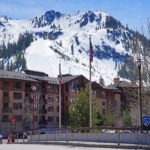
Parry Peak

Rising 13,397 feet into Colorado’s crystalline sky, Parry Peak stands as more than just another thirteener—it’s a living testament to the intersection of geological wonder and botanical discovery. Perched along the Continental Divide southeast of Winter Park, this Front Range summit beckons nature enthusiasts with promises of rare alpine ecosystems, challenging terrain, and breathtaking vistas that stretch across the Arapaho National Forest.
Named after Charles Christopher Parry, the pioneering botanist who revolutionized our understanding of Colorado’s mountain flora in the 1860s, this peak embodies the spirit of scientific discovery that continues to draw researchers and adventurers alike to its windswept slopes.
Fast Facts
Country: United States
State/Province: Colorado
County/Region: Clear Creek, Grand
Mountain Range: James Group, Front Range, Rocky Mountains
Parents: James Group, Front Range, Rocky Mountains
Elevation: 13,397 feet / 1,731 meters
Prominence: 1,720 feet / 524 meters
Isolation: 9.46 miles / 15.22 kilometers
Nearest Higher Neighbor (NHN): Bard Peak
Fun Fact: Parry Peak is the tenth highest peak in the Front Range mountains, and it is the highest summit of the James Group of mountains.
Wildlife and Ecology at Altitude

At nearly 13,400 feet, Parry Peak exists in the alpine tundra zone—a harsh yet remarkably diverse ecosystem where only the most resilient species thrive. The growing season here lasts merely 60 to 90 days, creating a compressed window of biological activity that transforms the landscape into a vibrant tapestry of life.
Alpine wildflowers carpet the slopes in brilliant displays during the brief summer months. Look for the iconic alpine forget-me-not, Colorado’s state flower, alongside cushions of moss campion and the delicate alpine buttercup. These hardy perennials have adapted remarkable survival strategies, including taproot systems that can extend several feet into the rocky substrate and dense, mat-forming growth patterns that conserve heat and moisture.
The pika—a small, round-eared mammal related to rabbits—calls these rocky slopes home. These industrious creatures spend summer months gathering vegetation into “haypiles” that sustain them through the brutal alpine winters. Their sharp, distinctive calls often serve as the first wildlife encounter for hikers ascending the peak.
White-tailed ptarmigan, Colorado’s only year-round alpine bird resident, blend seamlessly with the rocky terrain. These remarkable birds change their plumage seasonally—from mottled brown in summer to pure white in winter—demonstrating nature’s perfect adaptation to extreme environments.
Mountain goats occasionally traverse these heights, their specialized hooves providing unmatched grip on precipitous terrain. While not native to Colorado, these introduced populations have established themselves in several Front Range locations, though sightings on Parry Peak remain relatively rare.
Geological Grandeur: Continental Divide Architecture

Parry Peak’s geological story spans over 1.7 billion years, beginning with the formation of ancient Precambrian basement rocks that form the foundation of the Front Range. These metamorphic rocks—primarily gneiss and schist—tell tales of intense heat and pressure that transformed original sediments into the crystalline structures visible today.
The peak’s current form emerged during the Laramide Orogeny, approximately 70-40 million years ago, when tectonic forces thrust these ancient rocks skyward. Unlike the volcanic origins of many Colorado peaks, Parry Peak represents pure uplift geology—a massive block of Earth’s crust pushed toward the heavens through immense compressive forces.
As the highest peak of the James Group within the Front Range, Parry Peak occupies a position of geological significance along the Continental Divide. This invisible line determines whether precipitation flows toward the Atlantic or Pacific Ocean—a concept that becomes tangible when standing on the summit, literally straddling the continent’s hydrological backbone.
Glacial sculpting during the Pleistocene epoch carved the dramatic cirques and valleys surrounding the peak. Evidence of this ice age activity remains visible in the U-shaped valleys and moraine deposits that characterize the landscape. The periglacial processes—freeze-thaw cycles that continue today—constantly reshape the summit’s rocky profile.
Trail Networks: Pathways to Alpine Adventure
The Continental Divide Trail passes directly over Parry Peak’s summit, making it a significant waypoint for long-distance hikers traversing the 3,100-mile route from Mexico to Canada. This National Scenic Trail designation ensures maintained access while protecting the fragile alpine environment.
The standard ascent route begins from the Berthoud Pass area, following well-established trails that wind through subalpine fir and Engelmann spruce forests before emerging into the alpine zone. The approach covers approximately 4.5 miles with an elevation gain of roughly 2,400 feet—a moderate challenge that rewards hikers with spectacular panoramic views.
Trail conditions vary dramatically with elevation and season. Below treeline, hikers navigate root-laden paths through dense forest, while the alpine section presents loose scree and exposed rock faces requiring careful foot placement. Weather can change rapidly at this elevation, with afternoon thunderstorms posing serious lightning risks during summer months.
Winter ascents transform Parry Peak into a serious mountaineering objective. Avalanche danger, extreme cold, and navigation challenges in whiteout conditions demand advanced winter travel skills and appropriate equipment. The reward? Pristine snow conditions and solitude that summer rarely provides.
For those seeking alternative approaches, several technical climbing routes exist on the peak’s steeper faces. These Class 3 and Class 4 scrambles offer more challenging ascents for experienced climbers comfortable with exposed terrain and route-finding in alpine environments.
Botanical Heritage: Honoring Scientific Legacy

Charles Christopher Parry’s botanical expeditions in the 1860s fundamentally changed scientific understanding of Rocky Mountain flora. His meticulous documentation of alpine plant communities established the foundation for modern high-altitude ecology studies. The peak bearing his name serves as a fitting tribute to this pioneering scientist whose work continues influencing botanical research today.
Parry’s discoveries included numerous endemic species—plants found nowhere else on Earth. His detailed field notes and pressed specimens, many housed in major herbaria worldwide, provide invaluable baseline data for modern climate change research. Contemporary botanists studying alpine plant migration patterns often reference Parry’s original observations to track species distribution changes over the past 150 years.
The Parry’s primrose (Primula parryi), one of several species bearing his name, blooms in wet alpine meadows throughout the Colorado Rockies. This vibrant magenta flower exemplifies the specialized adaptations necessary for alpine survival—compact growth form, intense pigmentation for UV protection, and synchronized blooming to maximize pollination opportunities.
Conservation Challenges and Future Stewardship
Climate change poses unprecedented challenges to Parry Peak’s alpine ecosystems. Rising temperatures force plant communities upslope, compressing available habitat for specialized alpine species. Some researchers predict that alpine tundra could disappear from lower-elevation peaks within decades, making high summits like Parry Peak increasingly important as climate refugia.
Recreational pressure continues growing as Colorado’s population expands and outdoor recreation gains popularity. The Leave No Trace principles become especially critical in alpine environments where recovery times for damaged vegetation can span decades. Hikers must stay on designated trails and avoid shortcutting switchbacks to minimize soil erosion and vegetation trampling.
Scientific monitoring programs track changes in plant phenology, species composition, and wildlife populations on Parry Peak and surrounding areas. This ongoing research provides crucial data for adaptive management strategies designed to protect these fragile ecosystems while maintaining recreational access.
Planning Your Alpine Adventure
Timing proves crucial for Parry Peak expeditions. The optimal window typically spans July through September, when trails are snow-free and weather conditions most stable. Early morning starts help avoid afternoon thunderstorms while providing the best chances for clear summit views.
Essential gear includes layers for rapidly changing conditions, sun protection at high altitude, plenty of water (alpine environments accelerate dehydration), and emergency supplies for unexpected weather changes. Trekking poles provide valuable stability on loose terrain, while microspikes may be necessary for early-season snow patches.
Explore Continental Divide Trail Resources for detailed trail information and current conditions. Check Avalanche Forecasts for winter and early-season travel planning.
Parry Peak stands as a remarkable intersection of natural beauty, scientific heritage, and outdoor adventure. Whether you’re drawn by the botanical legacy, geological wonders, or simply the challenge of standing atop one of Colorado’s magnificent thirteeners, this Front Range summit promises an unforgettable alpine experience that connects you to both the natural world and the pioneering spirit of scientific discovery.
Ready to explore Colorado’s alpine wilderness? Start planning your Parry Peak adventure today—but remember, the mountains will always be there tomorrow, so prioritize safety and environmental stewardship in every step you take toward the summit.