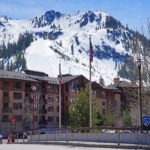
Punta Maquignaz

Perched dramatically along the east ridge of Dent d’Hérens, Punta Maquignaz stands as one of the Pennine Alps’ most intriguing subpeaks. This remarkable formation, nestled beneath the prominent Punta Carrel (3,841m), offers mountaineers and nature enthusiasts a unique alpine experience that combines challenging terrain with extraordinary biodiversity.
Fast Facts
Country: Italy, Switzerland
State/Province: Valle d’Aosta, Valais
Mountain Range: Matterhorn Group, Pennine Alps
Parents: Matterhorn Group, Pennine Alps
Elevation: 12,470 feet / 3,801 meters
Nearest Higher Neighbor (NHN): Unknown
Geographical Marvel in the Heart of the Alps
Punta Maquignaz occupies a strategic position on the border between Italy and Switzerland, forming part of the spectacular east ridge that connects Dent d’Hérens to the legendary Matterhorn. The peak sits within a dramatic landscape where Punta Bianca (3,917m) towers above, while Punta Maria Cristina (3,703m) anchors the ridge system to the southeast.
This geological masterpiece showcases the raw power of alpine formation, with jagged granite spires and steep rock faces that tell the story of millions of years of tectonic activity. The surrounding terrain features classic Pennine Alps characteristics: glacial cirques, moraines, and alpine meadows that create a stunning backdrop for any mountain adventure.
Flora and Fauna: A Year-Round Natural Laboratory
What sets Punta Maquignaz apart is its remarkable accessibility throughout the year, making it an exceptional location for observing alpine wildlife and botanical diversity. The varying elevations create distinct ecological zones, each supporting unique species adapted to harsh mountain conditions.
Alpine flora thrives in the rocky crevices and meadows, with hardy species like alpine forget-me-nots, mountain avens, and cushion plants creating colorful displays during the brief summer growing season. The treeline transitions offer opportunities to observe dwarf pine and alpine larch communities that have adapted to extreme conditions.
Wildlife enthusiasts can spot ibex navigating the steep terrain with remarkable agility, while marmots whistle warnings across the alpine meadows. Golden eagles and bearded vultures soar overhead, taking advantage of the thermal currents generated by the dramatic topography. Even in winter, ptarmigan and snow hares demonstrate remarkable adaptations to the alpine environment.
Climbing Routes and Technical Considerations
The normal route from Aosta hut (2,781m) provides the primary access to Punta Maquignaz, following established paths that have guided climbers for over a century. This approach offers a moderate technical challenge while providing spectacular views of the surrounding peaks.
Climbers appreciate the varied terrain that includes scrambling sections, exposed ridges, and technical rock passages that demand both skill and respect for the mountain environment. The route’s year-round accessibility makes it particularly valuable for winter mountaineering training and alpine skills development.
Historical Significance and Modern Appeal
Connected to the rich climbing heritage of Dent d’Hérens, first ascended in 1863, Punta Maquignaz represents the continuing evolution of alpine exploration. Modern climbers follow in the footsteps of pioneering mountaineers who established these routes using traditional techniques and minimal equipment.
Today’s visitors benefit from improved safety equipment and weather forecasting, yet the fundamental challenge and beauty of the mountain remain unchanged. The peak serves as an excellent training ground for more ambitious alpine objectives while offering its own unique rewards.
Whether you’re drawn by the exceptional wildlife viewing opportunities, the technical climbing challenges, or simply the breathtaking alpine scenery, Punta Maquignaz delivers an authentic mountain experience that captures the essence of the Pennine Alps’ grandeur.