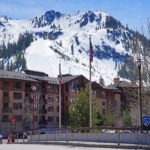
Testa Grigia

Rising majestically to 3,315 meters above sea level, Testa Grigia—literally meaning “grey head” in Italian—stands as one of the most captivating peaks in the Monte Rosa Massif. This remarkable mountain offers travel enthusiasts an extraordinary blend of natural beauty, cultural heritage, and accessible alpine adventure in the heart of the Pennine Alps.
Fast Facts
Country: Italy, Switzerland
State/Province: Valle d’Aosta, Valais
County/Region: Aosta, Visp
Mountain Range: Liskamm Group, Pennine Alps
Parents: Breithorn
Elevation: 11,414 feet / 3,479 meters
Prominence: 112 feet / 34 meters
Isolation: 0.41 miles / 0.65 kilometers
Nearest Higher Neighbor (NHN): Klein Matterhorn
A Geographic Marvel in the Heart of Aosta Valley
Testa Grigia commands a unique position as the highest mountain along the ridge that dramatically separates two of Italy’s most scenic valleys: the Lys valley near Gressoney-La-Trinité and the enchanting Ayas Valley. This strategic location places the mountain at the crossroads of some of Europe’s most spectacular alpine terrain.
The mountain’s distinctive grey limestone composition gives it its evocative name, creating striking visual contrasts against the pristine white glaciers and deep blue skies that characterize this region. The peak forms part of the greater Monte Rosa Massif, positioning visitors at the heart of one of the Alps’ most prestigious mountain ranges.
Key Geographic Features:
- Elevation: 3,315 meters (10,876 feet)
- Location: Italian side of Monte Rosa Massif
- Valley systems: Separates Lys and Ayas valleys
- Mountain range: Pennine Alps
- Administrative region: Aosta Valley
Historical Significance and Cultural Heritage
The Pennine Alps have served as natural corridors between Italy and Switzerland for millennia, and Testa Grigia has witnessed centuries of human passage through these high mountain routes. The mountain’s position made it a significant landmark for traders, pilgrims, and mountaineers navigating between the valleys.
Local Walser communities, who settled in these valleys during medieval times, developed a deep connection with peaks like Testa Grigia. These Germanic-speaking peoples brought unique architectural styles, agricultural practices, and cultural traditions that continue to define the character of Gressoney and surrounding areas today.
The mountain gained prominence among alpinists during the golden age of mountaineering in the 19th century, when explorers began systematically conquering the major peaks of the Monte Rosa region. Today, it represents both a challenging objective for serious climbers and an accessible summit for well-prepared hikers.
Tourism Attractions and Natural Wonders
Panoramic Summit Views
The crown jewel of any Testa Grigia expedition is the breathtaking 360-degree panorama from the summit. Climbers are rewarded with unparalleled views of two of the Alps’ most iconic peaks:
- Monte Rosa: The massive glaciated peak dominates the northern horizon
- The Matterhorn: Switzerland’s pyramid-shaped symbol rises dramatically in the distance
- Surrounding 4,000-meter peaks: A constellation of high summits creates an amphitheater of alpine grandeur
Valley Perspectives
From various points along the ascent, visitors can appreciate the contrasting beauty of both the Lys and Ayas valleys. The Lys valley showcases traditional Walser architecture and pastoral landscapes, while the Ayas valley offers dramatic gorges and cascading waterfalls.
Flora and Fauna
The diverse elevation zones around Testa Grigia support remarkable biodiversity. Alpine meadows burst with wildflowers during summer months, including rare species adapted to high-altitude conditions. Wildlife enthusiasts may encounter ibex, chamois, and golden eagles in their natural habitat.
Climbing and Outdoor Adventures
The Standard Route from Gressoney
Testa Grigia offers one of the most accessible high-altitude experiences in the region. The standard climbing route from the Gressoney side presents several advantages for outdoor enthusiasts:
Route Characteristics:
- Technical difficulty: Non-technical climb suitable for experienced hikers
- Safety features: Fixed rope assistance on challenging sections
- Starting point: Gressoney-La-Trinité valley
- Typical duration: Full day expedition (8-12 hours round trip)
- Best season: July through September
Preparation and Equipment
While technically straightforward, the climb demands proper preparation:
- Physical fitness: Good cardiovascular conditioning essential
- Equipment: Mountain boots, warm layers, helmet, harness for fixed rope sections
- Weather awareness: Conditions can change rapidly at altitude
- Local guidance: Consider hiring local guides for first-time visitors
Alternative Activities
Beyond summit attempts, the Testa Grigia area offers diverse outdoor experiences:
- Photography expeditions: Capture dramatic alpine landscapes
- Botanical tours: Explore unique high-altitude plant communities
- Ski mountaineering: Winter ascents for advanced practitioners
- Base camp trekking: Multi-day hut-to-hut adventures
Cultural Importance and Local Traditions
Testa Grigia holds special significance for the communities of Gressoney-La-Trinité and the broader Aosta Valley region. The mountain serves as a natural monument connecting local residents to their alpine heritage and the traditions of mountain life.
Walser Heritage
The Walser people, who migrated to these valleys in the 13th century, developed a profound relationship with the surrounding peaks. Their traditional wooden architecture, visible throughout Gressoney, reflects centuries of adaptation to the alpine environment that Testa Grigia dominates.
Modern Conservation Efforts
Local authorities and environmental organizations work actively to preserve the natural and cultural landscape around Testa Grigia. These efforts ensure that future generations can experience the mountain’s pristine beauty while respecting its ecological significance.
Planning Your Visit
Best Time to Visit
Summer months (July-September) offer optimal conditions for climbing and hiking. Snow typically clears from higher elevations by mid-July, while September provides stable weather with fewer crowds.
Accommodation Options
- Gressoney-La-Trinité: Traditional alpine hotels and guesthouses
- Mountain huts: High-altitude refuges for multi-day adventures
- Camping: Designated areas in valley locations
Getting There
Gressoney-La-Trinité serves as the primary access point, reachable by car from major Italian cities or via public transportation connections through Aosta.
Experience the Grey Crown
Testa Grigia represents everything that makes the Italian Alps extraordinary: dramatic landscapes, rich cultural heritage, and accessible adventure opportunities. Whether you’re drawn by the challenge of reaching its summit, the spectacular photography opportunities, or the chance to immerse yourself in Walser culture, this remarkable peak delivers an unforgettable alpine experience.
Ready to explore Testa Grigia? Contact local guide services in Gressoney-La-Trinité to plan your adventure, or visit the Aosta Valley tourism office for comprehensive trip planning resources. The grey crown of the Pennine Alps awaits your discovery.
Discover more hidden gems of the Italian Alps and start planning your next mountain expedition today.