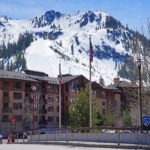
Furgghorn

Standing majestically at 3,451 meters above sea level, the Furgghorn beckons adventurers with its pristine alpine beauty and untamed wilderness. This remarkable peak, straddling the border between Switzerland’s Valais canton and Italy’s Aosta Valley, offers nature enthusiasts an extraordinary journey into one of the Alps’ most captivating yet lesser-known destinations.
Fast Facts

Country: Italy, Switzerland
State/Province: Valle d’Aosta, Valais
Mountain Range: Matterhorn Group, Pennine Alps
Parents: Furgggrat
Elevation: 11,322 feet / 3,451 meters
Prominence: 330 feet / 100 meters
Isolation: 0.53 miles / 0.86 kilometers
Nearest Higher Neighbor (NHN): Theodulhorn
Where Earth Touches Sky: Geographical Marvel
Nestled within the Pennine Alps, Furgghorn commands a strategic position southeast of the legendary Matterhorn, near the historic Theodul Pass. The mountain’s unique location creates a natural bridge between two alpine cultures, with the charming Italian village of Breuil-Cervinia welcoming visitors from the south, while the iconic Swiss resort town of Zermatt serves as the northern gateway.
The peak’s dramatic elevation gain of 100 meters prominence from its parent peak, Furgggrat, creates stunning panoramic vistas that stretch across glaciated valleys and snow-capped summits. This geological positioning makes Furgghorn a perfect vantage point for witnessing the raw power and beauty of alpine landscapes.
A Living Tapestry: Flora and Fauna
The diverse ecosystems surrounding Furgghorn transform with elevation, creating distinct biological zones that support remarkable biodiversity. In the montane forests below 2,000 meters, ancient Swiss stone pines and European larches create cathedral-like groves where red deer and roe deer find shelter.
As you ascend into the subalpine zone, vibrant alpine meadows burst with color during summer months. Alpine forget-me-nots, mountain avens, and purple saxifrage paint the landscape in brilliant hues, while marmots whistle warnings from rocky outcrops and golden eagles soar overhead on thermal currents.
The alpine zone above 2,500 meters reveals nature’s incredible adaptability. Here, cushion plants like moss campion and alpine buttercup cling to rocky crevices, while snow finches and alpine choughs navigate the thin air with effortless grace. Patient observers might spot the elusive ibex, their sure-footed silhouettes etched against dramatic cliff faces.
Ascending to Glory: Climbing Routes for Every Adventurer
The Classic Southwest Ridge (Moderate Difficulty)
This traditional alpine route offers the most accessible path to Furgghorn’s summit. Beginning from Breuil-Cervinia, the approach follows well-marked trails through alpine meadows before transitioning to rocky scrambling near the summit. The route demands basic mountaineering skills and typically requires 6-8 hours for the complete ascent.
Essential gear: Helmet, harness, alpine climbing shoes, and weather protection
The Technical North Face (Advanced Difficulty)
For experienced mountaineers seeking challenge, the north face presents a demanding mixed climb combining rock, ice, and snow conditions. This route requires advanced technical skills, including ice climbing proficiency and multi-pitch experience. Early season attempts often encounter verglas conditions that add complexity to the ascent.
Essential gear: Full alpine rack, ice axes, crampons, and emergency bivouac equipment
The Traverse Adventure (Intermediate Difficulty)
Connect Furgghorn with neighboring peaks via the spectacular ridge traverse. This multi-day expedition showcases the region’s geological diversity while providing unparalleled photographic opportunities. The route includes comfortable mountain hut accommodations and requires solid scrambling experience.
Echoes Through Time: Historical Significance
Furgghorn’s strategic location has witnessed centuries of cross-border cultural exchange. Ancient trade routes crossed these high passes, connecting Italian merchants with Swiss communities. The mountain’s multiple names—Furgghorn in German, Tête du Breuil in French, and Cima del Breuil in Italian—reflect this rich linguistic heritage.
During the 19th century golden age of alpinism, pioneering mountaineers established many of today’s classic routes. These early adventurers documented the region’s natural history, creating detailed botanical and geological surveys that continue to inform modern conservation efforts.
The Theodul Pass nearby served as a crucial smuggling route during World War II, when brave locals helped refugees escape across the border. Today, memorial plaques along hiking trails honor these courageous acts of resistance.
Year-Round Alpine Paradise
Furgghorn’s accessibility throughout all seasons makes it a versatile destination for nature enthusiasts with varying interests and skill levels.
Spring (April-June) brings dramatic avalanche activity and wildflower emergence. Lower elevation trails become accessible while higher routes remain snow-covered, creating spectacular contrasts. This season offers excellent wildlife photography opportunities as animals emerge from winter hibernation.
Summer (July-September) provides optimal climbing conditions with stable weather patterns and minimal snow coverage. Alpine meadows reach peak bloom, creating breathtaking botanical displays. Long daylight hours allow for extended exploration and multi-day traverses.
Autumn (October-November) transforms the landscape with golden larch forests and crystal-clear visibility. Cooler temperatures reduce crowding while maintaining excellent climbing conditions. This season offers exceptional photographic light and peaceful mountain experiences.
Winter (December-March) creates a pristine alpine wonderland perfect for ski mountaineering and snowshoeing adventures. Advanced winter climbers find challenging ice climbing opportunities on the mountain’s frozen faces. The surrounding ski resorts provide comfortable bases for winter exploration.
Planning Your Furgghorn Adventure
Access Points:
- Breuil-Cervinia, Italy: Cable car access to high-altitude starting points
- Zermatt, Switzerland: Train connections and mountain railway systems
- Theodul Pass: Direct hiking access during summer months
Accommodation Options:
- Mountain huts: Traditional alpine hospitality with hearty meals
- Valley hotels: Comfortable bases with spa facilities and fine dining
- Camping areas: Designated sites for wilderness enthusiasts
Essential Preparations:
- Weather monitoring: Alpine conditions change rapidly
- Route planning: Detailed topographic maps and GPS navigation
- Emergency protocols: Mountain rescue contact information and first aid training
Ready to experience Furgghorn’s alpine magic? Whether you’re drawn by its diverse ecosystems, challenging climbing routes, or rich cultural history, this remarkable peak promises unforgettable adventures.
Plan Your Furgghorn Expedition Today and discover why discerning nature enthusiasts consider this hidden gem one of the Alps’ most rewarding destinations.
Join thousands of adventurers who’ve found their alpine paradise at Furgghorn—where every season reveals new wonders and every summit offers life-changing perspectives.