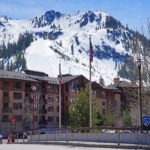
Moksha Peak

🏔️ Overview
Moksha Peak is a rugged 6,250-foot (1,905-meter) mountain in the western Chugach Mountains of Southcentral Alaska. The peak rises above the Jim Creek and Knik River area, approximately 9 miles (14 kilometers) east-southeast of Palmer.
Although Moksha Peak is lower than many of Alaska’s famous glaciated giants, it presents a remarkably demanding climb. Routes from the valley floor gain approximately 6,000 feet of elevation over steep forest, brush, grassy slopes, talus, and exposed alpine ridges. The summit provides sweeping views toward Matanuska Peak, Frontier Peak, the Knik Glacier, and the interior ridges of the Chugach Mountains.
Moksha Peak is an unofficial name. The mountain was long identified simply by its mapped elevation as Peak 6250. Its modern name was proposed after a later ascent by local climbers Richard Baranow and Marty Martinez.
⚡ Fast Facts
| Fact | Details |
|---|---|
| Continent | North America |
| Country | United States |
| State/Province | Alaska |
| County/Region | Matanuska-Susitna Borough |
| Mountain Range | Chugach Mountains |
| Parent Peak | Sikandar Peak |
| Elevation | 6,250 feet (1,905 meters) |
| Prominence | 1,300 feet (396 meters) |
| Isolation | 3.04 miles (4.89 kilometers) |
| Nearest Higher Neighbor (NHN) | Sikandar Peak, east-northeast |
| Coordinates | 61.579365° N, 148.847752° W |
| USGS Topographic Map | Anchorage C-5 |
| Name Status | Unofficial |
| First Recorded Ascent | May 10, 1969, by Karen Courtright and Bill Babcock |
| Typical Route | Southwest Ridge from the Rippy Trail |
| Typical Difficulty | Strenuous off-trail hike and Class 2–3 scramble |
📍 Location
Moksha Peak stands in the northern portion of the Chugach Mountains, southeast of Matanuska Peak and east of the city of Palmer. Its slopes rise sharply above the wetlands, forests, and river channels surrounding Jim Creek and the Knik River.
The most commonly described approach begins from the Rippy Trail in the Knik River Public Use Area. The trail is reached from the Maud Road area east of Palmer and provides access to the southern side of the mountain.
Moksha Peak’s coordinates are 61.579365° N and 148.847752° W. Despite its proximity to Palmer and Anchorage, the mountain has a distinctly remote character. The approach includes thick vegetation, limited signage, indistinct paths, and substantial elevation gain.
📏 Elevation & Prominence
Moksha Peak reaches an elevation of 6,250 feet (1,905 meters). Peakbagger calculates its clean topographic prominence at 1,300 feet (396 meters), based on a key col at approximately 4,950 feet (1,509 meters).
Its topographic isolation is 3.04 miles (4.89 kilometers). The nearest higher mountain is Sikandar Peak, a 6,349-foot summit located east-northeast of Moksha Peak.
Moksha is also higher than nearby Matanuska Peak, despite Matanuska being better known and more easily recognized from the Palmer area. The substantial prominence of Moksha Peak helps it stand out from the surrounding ridges when viewed from nearby summits.
🪨 Geology
Moksha Peak belongs to the geologically complex Chugach Mountains. This part of Alaska developed through the collision and attachment of separate crustal blocks known as terranes along the western edge of North America.
The region contains deformed sedimentary, volcanic, and metamorphic rocks that were folded, faulted, and uplifted by tectonic activity. Continued interaction between the Pacific and North American plates contributes to earthquakes and ongoing mountain building across Southcentral Alaska.
Repeated glaciations further shaped the landscape. Moving ice deepened valleys, steepened mountain faces, and produced the sharp ridges and cirques visible around Moksha Peak. Talus fields and loose rock on the upper mountain continue to be altered by frost, snow, water, and gravity.
These processes provide a local example of how mountains are formed through a combination of tectonic uplift and erosion.
🌿 Flora & Fauna
The lower approach to Moksha Peak passes through Southcentral Alaska’s boreal and subalpine vegetation. Forested areas give way to dense willow, alder, tall grasses, and extensive patches of devil’s club.
Devil’s club can become especially difficult during midsummer. Its thorn-covered stems and large leaves may conceal the path and slow travel considerably. Above the brush line, the landscape transitions into grassy alpine slopes, tundra plants, lichens, and increasingly barren rock.
Wildlife found in the broader western Chugach region includes:
- Moose
- Black bears and brown bears
- Dall sheep
- Mountain goats
- Wolves
- Wolverines
- Ptarmigan
- Ravens and golden eagles
Hikers should remain alert in dense brush, where visibility is poor and wildlife may not hear people approaching. Bear spray should be carried where it is immediately accessible rather than buried inside a backpack.
🥾 Hiking & Climbing Routes
Southwest Ridge
The Southwest Ridge is the best-documented hiking and scrambling route on Moksha Peak. It begins from the Rippy Trail and follows an unmaintained route through forest and heavy vegetation before reaching the open ridge.
A commonly described route follows the Rippy Trail for approximately 1.2 miles before leaving it near a broad avalanche drainage. Hikers then climb toward a faint path that leads through forest and dense stands of devil’s club.
At approximately 3,000 feet, the vegetation begins to thin and the route enters grassy alpine terrain. Climbers continue toward a prominent point at roughly 3,773 feet before following the increasingly rocky ridge toward the summit.
Most of the upper ridge is considered Class 2 terrain, although route variations may include short Class 3 steps. The final section crosses steep talus. Some climbers move toward the southeast ridge to avoid the loosest rock immediately below the summit.
Depending on the precise route and GPS track, the complete climb may cover approximately 9–12 miles round trip and gain about 6,000 feet. Most parties should allow a full day.
Southeast Ridge
The Southeast Ridge was used during the first recorded ascent in May 1969. Karen Courtright and Bill Babcock climbed the ridge after camping at approximately 2,500 feet and descended by the Southwest Ridge.
The Southeast Ridge remains less thoroughly documented than the modern Southwest Ridge approach. Anyone attempting it should expect off-trail navigation and uncertain conditions.
North Couloir
A prominent couloir cuts into the mountain’s northern face. It may hold snow well after the more exposed southern slopes begin to melt.
The North Couloir is a mountaineering objective rather than an ordinary hiking route. Snow stability, cornices, ice, rockfall, and avalanche exposure may all present serious hazards. It should be attempted only by climbers with appropriate snow-climbing skills, equipment, and local avalanche knowledge.
🏔️ Field Guide Tip: Download an offline topographic map and a reliable GPX track before beginning the climb. The route above the Rippy Trail is unofficial, frequently overgrown, and easy to lose in poor visibility.
🌤️ Best Time to Visit
The best season depends on whether the objective is a primarily snow-free scramble or a technical snow climb.
For hiking and scrambling, late June through September generally offers the most favorable conditions. Early fall can be particularly appealing because insects and dense vegetation are usually less troublesome, although daylight decreases quickly and early snow is possible.
Late spring is also popular because the south-facing approach may melt earlier than neighboring routes. However, snow remaining in gullies and avalanche paths can create serious danger. Climbers should avoid entering the drainage used by the Southwest Ridge approach when unstable snow remains on the slopes above it.
Midsummer provides long daylight hours but may bring:
- Thick devil’s club and alder
- Mosquitoes and other insects
- Muddy trail conditions
- Sudden rain and low cloud
- Reduced visibility on the upper ridge
Weather can change quickly at any time of year. The Chugach Mountains intercept moisture moving inland from the Gulf of Alaska, producing rapidly changing cloud, wind, rain, and snow conditions. This is a good example of how mountains affect weather.
🧭 Nearby Mountains & Attractions
Matanuska Peak
Matanuska Peak lies northwest of Moksha Peak and is one of the most recognizable mountains above Palmer. Although slightly lower than Moksha, it has a better-established hiking route and is frequently used as a viewpoint toward Peak 6250.
Sikandar Peak
Sikandar Peak is Moksha Peak’s nearest higher neighbor. It reaches approximately 6,349 feet and stands east-northeast of the summit.
Frontier Peak
Frontier Peak lies east of Moksha Peak. The two mountains were historically confused because of an incorrect elevation printed in an early climbing report.
Knik Glacier
The summit provides expansive views toward the Knik Glacier and the surrounding ice-carved valleys. Knik Glacier flows out of the Chugach Mountains and is one of the region’s largest and most impressive glaciers.
Rippy Trail
The Rippy Trail is a multi-use trail in the Knik River Public Use Area. It provides access to Jim Creek and serves as the beginning of the most frequently described Moksha Peak approach.
Palmer
Palmer is the nearest major community and the usual base for reaching the trailhead. It provides accommodation, food, fuel, equipment, and other services for trips into the northern Chugach Mountains.
💡 Fun Facts
- Moksha Peak is still considered an unofficial name and appears as Peak 6250 on traditional topographic references.
- The Sanskrit word moksha is associated with liberation or release in several Indian religions. However, the Alaskan mountain was reportedly named after climber Marty Martinez’s dog.
- Moksha Peak and nearby Frontier Peak were confused for years because an early climbing report listed the wrong elevation.
- Moksha Peak is approximately 158 feet higher than neighboring Matanuska Peak.
- The first recorded climbers ascended the Southeast Ridge and descended the Southwest Ridge in 1969.
- Its summit provides views across Jim Creek toward the Knik Glacier and the higher interior Chugach Mountains.
❓ Frequently Asked Questions
Where is Moksha Peak?
Moksha Peak is in the Chugach Mountains of Southcentral Alaska, approximately 9 miles east-southeast of Palmer. The usual approach begins from the Rippy Trail in the Knik River Public Use Area.
How high is Moksha Peak?
Moksha Peak has an elevation of 6,250 feet (1,905 meters).
What is the prominence of Moksha Peak?
The mountain has approximately 1,300 feet (396 meters) of topographic prominence.
What is Moksha Peak’s nearest higher neighbor?
Peakbagger identifies Sikandar Peak, located east-northeast of Moksha Peak, as its nearest higher neighbor.
Is there a maintained trail to the summit?
No. The Rippy Trail provides initial access, but the summit route is unofficial and largely unmaintained. Hikers must navigate through brush, grassy slopes, talus, and alpine ridges.
Is Moksha Peak suitable for beginners?
Moksha Peak is not recommended as a beginner hike. The large elevation gain, unmaintained route, dense vegetation, loose rock, wildlife, and rapidly changing weather require strong fitness and sound backcountry judgment.
When was Moksha Peak first climbed?
The first recorded ascent occurred on May 10, 1969, when Karen Courtright and Bill Babcock climbed the Southeast Ridge and descended the Southwest Ridge.
Is Moksha Peak its official name?
No. Peakbagger classifies Moksha Peak as an unofficial name. The mountain is also referred to as Peak 6250.
🔗 Related Articles
- Mountain Ranges
- How Are Mountains Formed?
- What Is Mountain Prominence?
- Mountain Elevation vs. Prominence
- What Is a Parent Peak?
- Mountain Range vs. Mountain System vs. Massif
🔗 Related Hiking and Safety Guides
- The Ten Essentials for Hiking
- What to Do If You Get Lost Hiking
- Hiking Gear
- Best Satellite Communicators for Hiking
📚 Sources
- Peakbagger – Moksha Peak
- akMOUNTAIN – Moksha Peak Southwest Ridge
- Mat-Su Trails & Parks Foundation – Rippy Trail
- Alaska DNR – Chugach State Park Management Plan
- Alaska DGGS – Geologic Map of the Anchorage C-5 Quadrangle