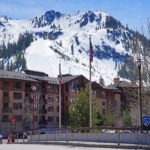
🏔️ Overview
Bulgaria contains some of the most varied mountain landscapes in southeastern Europe. Rugged alpine summits, forested ridges, glacial lakes, limestone cliffs, deep gorges, and broad upland meadows are found within a country only slightly larger than the U.S. state of Tennessee.
The highest mountains are concentrated in southwestern Bulgaria. The Rila Mountains contain Musala, the highest summit in Bulgaria and the entire Balkan Peninsula, while the neighboring Pirin Mountains include a remarkable group of sharp peaks approaching 3,000 meters. Farther north, the long chain of the Balkan Mountains, known locally as Stara Planina, crosses the country from west to east.
Other important ranges include the extensive Rhodope Mountains, Vitosha above Sofia, Sredna Gora, Osogovo, Belasitsa, Slavyanka, Strandzha, and several smaller mountain groups. Together, they make Bulgaria an outstanding destination for hiking, mountaineering, skiing, wildlife watching, and cultural travel.
⚡ Fast Facts
| Fact | Details |
|---|---|
| Continent | Europe |
| Region | Southeastern Europe |
| Highest Mountain | Musala |
| Highest Elevation | 2,925 m / 9,596 ft |
| Highest Mountain Range | Rila Mountains |
| Second-Highest Mountain | Vihren — 2,914 m / 9,560 ft |
| Major Ranges | Rila, Pirin, Balkan Mountains, Rhodopes, Vitosha, Sredna Gora |
| Highest Balkan Mountains Summit | Botev Peak — 2,376 m / 7,795 ft |
| Highest Rhodope Summit | Golyam Perelik — 2,191 m / 7,188 ft |
| Highest Vitosha Summit | Cherni Vrah — 2,290 m / 7,513 ft |
| Major Mountain National Parks | Rila, Pirin, and Central Balkan |
| Notable Long-Distance Trail | Kom–Emine Trail |
🗺️ Major Mountain Ranges in Bulgaria
Rila Mountains
The Rila Mountains are the highest range in Bulgaria and the Balkan Peninsula. They rise in the southwest of the country, approximately 80 kilometers south of Sofia.
Rila is characterized by broad alpine ridges, steep cirques, granite summits, coniferous forests, and numerous glacial lakes. Its highest point, Musala, reaches 2,925 meters.
Other important Rila summits include:
- Malka Musala
- Irechek
- Deno
- Malyovitsa
- Golyam Kupen
- Ovcharets
Rila National Park protects much of the range’s highest terrain. More than 120 glacial lakes are found within the park, including the famous Seven Rila Lakes and the lakes surrounding Musala.
The western part of the range is especially popular with climbers. Peaks such as Malyovitsa and Zlia Zab offer steeper and more technical terrain than the standard hiking route to Musala.
Pirin Mountains
Immediately south of Rila, the Pirin Mountains form Bulgaria’s most rugged alpine landscape. Pirin is famous for its marble ridges, granite summits, narrow crests, glacial valleys, and high-altitude lakes.
The range’s highest summit is Vihren, which reaches 2,914 meters. It is Bulgaria’s second-highest mountain, only 11 meters lower than Musala.
Pirin also contains many of the country’s other highest peaks, including Kutelo, Banski Suhodol, Polezhan, Kamenitsa, and Bayuvi Dupki.
One of Pirin’s best-known features is Koncheto, a narrow and exposed ridge between Kutelo and Banski Suhodol. A metal cable assists climbers along part of the crest, but the route remains unsuitable for inexperienced hikers or anyone uncomfortable with exposure.
Much of the range lies within Pirin National Park, which is recognized as a UNESCO World Heritage Site. Its landscapes include more than 70 glacial lakes, caves, waterfalls, limestone formations, coniferous forests, alpine meadows, and rocky summits.
Balkan Mountains
The Balkan Mountains extend across Bulgaria from the Serbian border to the Black Sea. Known in Bulgarian as Stara Planina, meaning “Old Mountain,” the range divides northern and southern Bulgaria.
Its highest summit is Botev Peak, at 2,376 meters. Although considerably lower than Musala or Vihren, Botev is known for severe weather, strong winds, long approaches, and extensive views.
The central section of the range is protected within Central Balkan National Park. This area contains old-growth forests, mountain meadows, cliffs, river valleys, and several important waterfalls.
The Balkan Mountains are also crossed by the Kom–Emine Trail, a long-distance route of roughly 600 kilometers. It follows the range from Kom Peak near the Serbian border to Cape Emine on the Black Sea.
Rhodope Mountains
The Rhodope Mountains cover a broad area of southern Bulgaria and continue into northern Greece. Unlike the sharp alpine summits of Pirin, much of the Rhodopes consists of rolling ridges, forested plateaus, deep valleys, caves, and traditional mountain villages.
The highest summit is Golyam Perelik, at 2,191 meters. Access to the immediate summit area can occasionally be restricted because of nearby military facilities, but surrounding routes provide extensive views.
Notable Rhodope attractions include:
- Trigrad Gorge
- Devil’s Throat Cave
- Yagodina Cave
- The Wonderful Bridges
- Shiroka Laka
- Smolyan Lakes
- Perperikon
- Pamporovo
The Rhodopes are associated with numerous legends, including stories connected to the mythical musician Orpheus. The region is also known for distinctive folk music, stone-built villages, livestock traditions, and mountain cuisine.
Vitosha
Vitosha rises directly above Sofia and is one of Europe’s most accessible mountains from a national capital. Its rounded summit plateau, forests, ski areas, huts, and marked trails make it an important recreation area.
The highest point is Cherni Vrah, or “Black Peak,” at 2,290 meters. The classic approach begins near Aleko Hut and follows a relatively straightforward trail across open highland terrain.
Vitosha is also known for its “stone rivers,” long accumulations of rounded boulders that resemble rocky streams flowing down the mountainside. The best-known example is Zlatnite Mostove, or the Golden Bridges.
Sredna Gora
Sredna Gora runs roughly parallel to the Balkan Mountains but is lower and more rounded. Its highest point is Golyam Bogdan, at 1,604 meters.
The range is divided into western, central, and eastern sections. It is covered largely by deciduous forest and contains important archaeological and historic sites, including areas associated with ancient Thracian settlements.
Sredna Gora generally offers gentler hiking than Rila or Pirin and is accessible during a longer portion of the year.
Other Bulgarian Mountains
Bulgaria contains numerous additional ranges and mountain groups:
| Mountain Range | Highest Peak | Elevation |
|---|---|---|
| Osogovo | Ruen | 2,251 m / 7,385 ft |
| Slavyanka | Gotsev Vrah | 2,212 m / 7,257 ft |
| Belasitsa | Radomir | 2,029 m / 6,657 ft |
| Vlahina | Ogreyak | 1,924 m / 6,312 ft |
| Maleshevo Mountains | Ilyov Vrah | 1,803 m / 5,915 ft |
| Strandzha | Golyamo Gradishte | 710 m / 2,329 ft |
| Sakar | Vishegrad | About 856 m / 2,808 ft |
Some border summits are shared with neighboring countries. Ruen, for example, lies close to the Bulgarian–North Macedonian border, while peaks in Belasitsa and Slavyanka rise near Bulgaria’s borders with Greece and North Macedonia.
⛰️ Ten Highest Mountains in Bulgaria
The ten highest named summits in Bulgaria are all located in either Rila or Pirin.
| Rank | Mountain | Elevation | Range |
|---|---|---|---|
| 1 | Musala | 2,925 m / 9,596 ft | Rila |
| 2 | Vihren | 2,914 m / 9,560 ft | Pirin |
| 3 | Kutelo | 2,908 m / 9,541 ft | Pirin |
| 4 | Malka Musala | 2,902 m / 9,521 ft | Rila |
| 5 | Banski Suhodol | 2,884 m / 9,462 ft | Pirin |
| 6 | Irechek | 2,852 m / 9,357 ft | Rila |
| 7 | Polezhan | 2,851 m / 9,354 ft | Pirin |
| 8 | Kamenitsa | 2,822 m / 9,259 ft | Pirin |
| 9 | Malak Polezhan | 2,822 m / 9,259 ft | Pirin |
| 10 | Bayuvi Dupki | 2,820 m / 9,252 ft | Pirin |
Kamenitsa and Malak Polezhan are generally listed at the same elevation. Rankings may vary slightly between maps and databases when secondary summits, alternative spellings, or updated surveys are treated differently.
🪨 Geology and Landscape
Bulgaria’s mountains have been shaped by a long and complicated geological history. Their present form reflects ancient rock formation, regional faulting, uplift connected with the Alpine mountain-building period, erosion, and repeated glaciation.
Rila consists largely of granite and metamorphic rocks. Ice during the Pleistocene carved cirques, U-shaped valleys, steep headwalls, and hundreds of mountain lakes.
Pirin contains extensive granite areas as well as major marble and limestone formations. The white marble around Vihren, Kutelo, and Banski Suhodol gives northern Pirin a distinctive appearance. Dissolution of carbonate rock has also created caves, sinkholes, and other karst features.
The Rhodopes are composed mainly of ancient metamorphic rocks, while the Balkan Mountains contain a more complex mixture of sedimentary, igneous, and metamorphic formations. Gorges cut by rivers expose many of these different rock layers.
🌿 Flora and Fauna
Bulgaria’s mountains support ecosystems ranging from oak woodland at lower elevations to alpine meadows and rocky summit habitats.
Common forest trees include:
- European beech
- Norway spruce
- Silver fir
- Scots pine
- Macedonian pine
- Bosnian pine
- Mountain pine
Pirin is particularly notable for old Bosnian and Macedonian pines. One famous specimen, known as Baikushev’s Pine, is believed to be more than 1,000 years old.
Mountain wildlife includes brown bears, gray wolves, red deer, roe deer, wild boar, European wildcats, foxes, and Balkan chamois. Golden eagles, peregrine falcons, owls, woodpeckers, and many smaller birds inhabit the forests and cliffs.
Large mammals are usually elusive. Visitors are far more likely to find tracks or other signs than to encounter bears or wolves directly.
Above the tree line, plants must tolerate strong winds, short growing seasons, prolonged snow cover, and thin soils. Several Bulgarian and Balkan endemic species survive in these isolated high-altitude habitats.
🥾 Hiking and Climbing
Musala
The standard summer route to Musala begins at Borovets. Many hikers use the gondola toward Yastrebets before continuing to Musala Hut, the high lakes, Ledeno Ezero shelter, and the summit.
The route is not technically difficult in normal summer conditions, but it is long, exposed to storms, and can retain snow well into the hiking season.
Vihren
Vihren is commonly climbed from Vihren Hut. The standard route via Kabata is steep, rocky, and more strenuous than the usual trail to Musala.
An alternative northern approach passes near the Kazanite cirques. Routes continuing toward Kutelo or Koncheto require greater experience and confidence on exposed terrain.
Seven Rila Lakes
The Seven Rila Lakes are among Bulgaria’s most visited natural attractions. A network of trails connects the lakes, which are arranged at different elevations within a series of glacial cirques.
The area can become extremely busy during summer weekends. Staying on marked trails helps protect the fragile vegetation and lake catchments.
Botev Peak
Botev can be approached from Kalofer, Apriltsi, and several mountain huts. Most routes are lengthy and involve considerable elevation gain.
Rapidly changing weather is a major concern. Fog, wind, rain, and cold temperatures can develop even when conditions are warm in the surrounding valleys.
Cherni Vrah
Cherni Vrah is one of Bulgaria’s most accessible high summits. The popular trail from Aleko crosses mostly open terrain and is suitable for many moderately experienced hikers in good summer weather.
Vitosha’s proximity to Sofia should not lead visitors to underestimate it. The summit plateau is exposed, and navigation can become difficult in fog, snow, or high winds.
Kom–Emine Trail
The Kom–Emine Trail follows the main ridge of the Balkan Mountains from Kom Peak to the Black Sea. Completing the entire route typically requires several weeks.
It also forms Bulgaria’s section of the E3 European long-distance path. Hikers can complete individual stages rather than undertaking the full traverse.
🌤️ Best Time to Visit
The best season depends on elevation and activity.
June through September generally offers the most dependable conditions for high-mountain hiking. Snowfields can remain on shaded slopes during early summer, particularly in Rila and Pirin.
September and early October often bring cooler temperatures, clearer air, and colorful forests. Days become shorter, however, and early snow is possible at high elevations.
December through March is the main season for skiing and other winter activities. Major mountain resorts include Bansko, Borovets, Pamporovo, and Vitosha.
Winter climbing requires avalanche awareness, navigation skills, traction equipment, and experience with severe mountain weather. Spring can also be hazardous because of unstable snow, high streams, mud, and lingering ice.
🏔️ Field Guide Tip: Begin high-elevation hikes early in the morning. Summer thunderstorms can develop rapidly over Rila, Pirin, Vitosha, and the Balkan Mountains, while many summit ridges provide little or no shelter.
🌲 National Parks and Protected Areas
Rila National Park
Rila National Park protects the highest parts of the Rila Mountains, including Musala and numerous glacial valleys and lakes. It is Bulgaria’s largest national park.
Pirin National Park
Pirin National Park protects much of the Pirin range and overlaps substantially with the UNESCO World Heritage property. It is internationally important for its alpine scenery, glacial landforms, coniferous forests, limestone habitats, and endemic species.
Central Balkan National Park
Central Balkan National Park covers the highest central section of the Balkan Mountains. Its protected landscapes include old forests, cliffs, meadows, rivers, waterfalls, and remote valleys.
Vitosha Nature Park
Vitosha Nature Park protects the mountain immediately south of Sofia. Established in 1934, it was the first nature park created in Bulgaria and among the earliest protected parks in the Balkans.
🏛️ Culture and History
Bulgaria’s mountain regions have served as places of refuge, worship, travel, trade, and resistance for centuries.
The Rila Monastery, situated in a forested valley beneath the high Rila Mountains, is one of Bulgaria’s most important cultural and religious monuments. Founded during the Middle Ages and later rebuilt, it is recognized as a UNESCO World Heritage Site.
The Balkan Mountains contain historic passes associated with Bulgaria’s struggles for independence. Shipka Pass and the nearby Shipka Monument commemorate battles of the Russo-Turkish War of 1877–1878.
Traditional villages in the Rhodopes preserve distinctive architecture, crafts, music, and cuisine. Mountain settlements such as Shiroka Laka, Kovachevitsa, Leshten, and Zheravna are known for stone houses, narrow streets, and historic character.
💡 Fun Facts
- Musala is eight meters higher than Mytikas, the highest summit of Mount Olympus in Greece.
- The name “Balkan” became the international name for the entire Balkan Peninsula.
- Bulgaria’s ten highest named summits are found entirely within Rila and Pirin.
- Vitosha rises directly beside Sofia, making major mountain trails accessible from the capital.
- The Seven Rila Lakes were formed by ancient glaciers.
- Pirin National Park was added to the UNESCO World Heritage List in 1983.
- Bulgaria has a long-established system of mountain huts used by hikers throughout the country.
- Kom–Emine is one of southeastern Europe’s best-known long-distance mountain routes.
❓ Frequently Asked Questions
What is the highest mountain in Bulgaria?
Musala is the highest mountain in Bulgaria. It rises to 2,925 meters in the Rila Mountains and is also the highest summit on the Balkan Peninsula.
What is the second-highest mountain in Bulgaria?
Vihren is Bulgaria’s second-highest mountain at 2,914 meters. It is the highest summit in the Pirin Mountains.
Which Bulgarian mountain range has the most high peaks?
Pirin contains the greatest concentration of extremely high and rugged summits. Eight of Bulgaria’s ten highest named peaks are in Pirin, while the remaining two are in Rila.
Are Bulgaria’s mountains difficult to hike?
Difficulty varies considerably. Cherni Vrah and the standard summer route to Musala are accessible to many fit hikers, while Vihren, Kutelo, Koncheto, Malyovitsa, and remote sections of the Balkan Mountains demand greater experience.
Are there bears in the Bulgarian mountains?
Yes. Brown bears inhabit parts of Rila, Pirin, the Rhodopes, and the Balkan Mountains. Encounters are uncommon because bears generally avoid people.
Can Musala be climbed in one day?
Musala is commonly climbed as a day hike from Borovets, particularly when transportation toward Yastrebets is operating. The full ascent from the valley is considerably longer.
What is the best mountain near Sofia?
Vitosha is the closest and easiest mountain to reach from Sofia. Rila, including the Musala area, is also within day-trip distance but requires more travel and preparation.
Does Bulgaria have good skiing?
Yes. Bansko, Borovets, Pamporovo, and Vitosha are the country’s principal ski destinations. Smaller winter-sports areas are found in several other mountain regions.
🔗 Related Articles
- Mountains in Albania
- Mountains in Austria
- Mountains in Bosnia and Herzegovina
- Highest Mountains in Europe
- Mountain Ranges of Europe
- Mountains by Country
- What Is a Mountain Range?
- What Is Mountain Prominence?
- The Ten Essentials for Hiking
- What to Do If You Get Lost Hiking
📚 Sources
- List of Mountains in Bulgaria — Wikipedia (Wikipedia)
- Bulgaria — Highest Mountains — GeoNames (GeoNames)
- Pirin National Park — UNESCO World Heritage Centre (UNESCO World Heritage Centre)
- Rila National Park — Glacial Lakes and Water (Rila National Park)
- Central Balkan National Park — Official Park Website (Visit Central Balkan)
- Rila Monastery — UNESCO World Heritage Centre (UNESCO World Heritage Centre)
- Musala: Highest Peak of the Balkans — National Geographic Bulgaria (National Geographic България)
- Mountains of Bulgaria: Highest Peaks — 360° Magazine (360mag.bg)