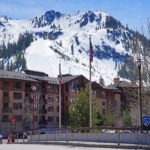
Pic Tyndall

Standing majestically at 4,241 meters (13,914 feet), Pic Tyndall emerges as one of the most fascinating yet underappreciated peaks in the Pennine Alps. This remarkable summit, perched on the western shoulder of the legendary Matterhorn, straddles the border between Italy’s Aosta Valley and Switzerland, offering climbers a unique glimpse into alpine history and geological wonder.
Fast Facts
Country: Italy, Switzerland
State/Province: Valle d’Aosta, Valais
Mountain Range: Matterhorn Group, Pennine Alps
Parents: Matterhorn
Elevation: 13,914 feet / 4,241 meters
Prominence: 69 feet / 21 meters
Isolation: 0.15 miles / 0.24 kilometers
Nearest Higher Neighbor (NHN): Matterhorn
First Ascent: July 28, 1863 by John Tyndall and his guides Johann Joseph Bennen and Walter, and porters Jean-Antoine Carrel and César Carrel
Geological Marvel of the Pennine Alps
Pic Tyndall represents a stunning example of alpine geology in action. Formed through millions of years of tectonic forces, this peak showcases the dramatic collision between the African and European continental plates that created the entire Alpine chain. The mountain’s composition primarily consists of gneiss and schist, metamorphic rocks that tell the story of intense pressure and heat deep within the Earth’s crust.
The peak’s most distinctive feature is its position as a subsidiary summit of the Matterhorn, connected by the famous Lion Ridge. This geological formation creates a natural stepping stone that has played a crucial role in mountaineering history. The rock quality varies significantly along different routes, with some sections offering solid, reliable holds while others present loose, challenging terrain that demands respect and technical skill.
The dramatic cleft known as “l’enjambée” separates Pic Tyndall from the Matterhorn’s main summit, creating a natural barrier that has tested climbers for over 160 years. This geological feature, carved by centuries of freeze-thaw cycles and erosion, represents one of the most technically demanding sections in alpine climbing.
A Legacy Written in Stone: Climbing History
The Historic First Ascent
On July 28, 1863, British physicist and mountaineer John Tyndall achieved what many considered impossible. Leading a determined expedition that included guides Johann Joseph Bennen and Walter, along with porters Jean-Antoine and César Carrel, Tyndall’s team embarked from Breuil with revolutionary determination.
The ascent marked a pivotal moment in mountaineering history. Tyndall’s innovative approach included bringing a wooden ladder to overcome the most challenging passage, later christened “la grande corde.” This tactical decision demonstrated the evolving nature of alpine climbing techniques and the willingness of early mountaineers to adapt their methods.
“We reached the first summit, and planted a flag upon it,” Tyndall wrote, capturing the raw emotion of achievement mixed with the bitter disappointment of being so close yet so far from the Matterhorn’s true summit. His vivid account reveals the psychological challenges that complement the physical demands of high-altitude climbing.
Notable Ascents and Modern Climbing
Climbing Difficulty: Technical Grade AD (Assez Difficile)
Today’s climbers face similar challenges to those encountered by Tyndall’s expedition. The standard route via the Lion Ridge presents:
- Technical rock climbing up to Grade III
- Exposure to significant rockfall danger
- Weather dependency requiring perfect conditions
- Navigation challenges through complex terrain
Modern ascents typically require 12-16 hours round trip from the Hörnli Hut, making this a serious undertaking even for experienced alpinists. The route demands proficiency in:
- Multi-pitch rock climbing
- Alpine rescue techniques
- Weather assessment
- Route finding in poor visibility
Explore detailed route descriptions and current conditions →
Tourism and Accessibility: Planning Your Adventure
For Mountaineers and Climbers
Pic Tyndall attracts serious mountaineers seeking to test their skills on one of the Alps’ most historically significant peaks. The climbing season typically runs from July through September, with August offering the most stable weather windows.
Essential Requirements:
- Advanced rock climbing experience (minimum 5.6/French 4c)
- Alpine climbing certification
- Proper technical equipment including helmets, harnesses, and protection
- Mountain guide recommended for first attempts
Access Points:
- Zermatt, Switzerland: Primary base with helicopter access to Hörnli Hut
- Cervinia, Italy: Alternative approach via cable car systems
- Hörnli Hut: Traditional overnight accommodation at 3,260m
For General Travel Readers
While the summit remains exclusive to technical climbers, the Pic Tyndall region offers incredible opportunities for adventure-minded travelers. The Matterhorn Glacier Paradise provides accessible viewing platforms where visitors can appreciate the peak’s dramatic profile without technical climbing skills.
Photography enthusiasts find exceptional vantage points from:
- Gornergrat Railway terminus (3,089m)
- Klein Matterhorn cable car station (3,883m)
- Various hiking trails around Zermatt
Book your Matterhorn region adventure →
Seasonal Considerations
Summer (July-September): Prime climbing season with stable weather patterns Winter (December-March): Extreme conditions suitable only for expert winter alpinists Spring/Fall: Unpredictable weather with increased avalanche risk
The Call of the Mountains
Pic Tyndall embodies the essence of alpine adventure—where geological wonder meets human determination. Whether you’re planning a technical ascent or simply seeking to understand this remarkable peak’s place in mountaineering history, Tyndall’s legacy continues to inspire new generations of mountain enthusiasts.
For those ready to answer the call, proper preparation, respect for the mountain’s dangers, and appreciation for its historical significance will ensure that your encounter with Pic Tyndall becomes part of your own alpine story.
Ready to begin your alpine journey? Connect with certified mountain guides →
Remember: The mountains are calling, but they demand respect, preparation, and humility in return for their magnificent rewards.