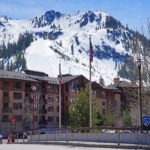
Rising nearly 10,000 feet above the Great Plains like a magnificent stone curtain, the Front Range stands as Colorado’s most accessible mountain wilderness—and your gateway to some of North America’s most spectacular outdoor experiences. This towering spine of the Southern Rocky Mountains stretches from Casper, Wyoming, to Pueblo, Colorado, offering outdoor enthusiasts an unparalleled playground where ancient granite peaks meet diverse ecosystems teeming with life.
Where Mountains Meet the Sky

The Front Range commands attention from hundreds of miles away. Longs Peak, Mount Blue Sky (formerly Mount Evans), and the iconic Pikes Peak pierce the horizon, visible from Interstate 25 and serving as Colorado’s most recognizable landmarks. At 14,278 feet, Grays Peak claims the title of highest summit in the range, while Pikes Peak’s 14,115-foot summit inspired the lyrics to “America the Beautiful.”
This isn’t just a mountain range—it’s a geological masterpiece millions of years in the making. The Front Range represents the first major mountain barrier encountered when traveling west across the Great Plains, creating a dramatic transition from prairie grasslands to alpine tundra in mere miles.
Flora and Fauna

Ecosystems in Vertical Harmony
The Front Range’s remarkable elevation gain creates distinct life zones, each supporting unique plant and animal communities. From the montane forests at 5,000-9,000 feet to the alpine tundra above treeline, you’ll witness nature’s incredible adaptability.
Montane Zone (5,000-9,000 feet):
- Dense stands of ponderosa pine and Douglas fir dominate south-facing slopes
- Aspen groves create golden corridors in autumn, their leaves shimmering like nature’s confetti
- Mule deer browse peacefully in meadows dotted with Indian paintbrush and lupine
- Black bears forage for berries and insects, occasionally spotted by lucky hikers
Subalpine Zone (9,000-11,500 feet):
- Engelmann spruce and subalpine fir create cathedral-like forests
- Elk bugle during autumn rutting season, their haunting calls echoing across valleys
- Mountain goats navigate impossible cliff faces with ballet-like grace
- Wildflower meadows explode with columbines (Colorado’s state flower), fireweed, and mountain asters
Alpine Tundra (Above 11,500 feet):
- Hardy cushion plants and alpine forget-me-nots cling to rocky terrain
- Pikas chirp warnings from talus fields, gathering plants for winter storage
- White-tailed ptarmigan blend seamlessly with granite boulders
- Bighorn sheep traverse precipitous ledges, their curved horns silhouetted against endless sky
Wildlife Encounters That Take Your Breath Away
The Front Range supports over 280 bird species, from tiny broad-tailed hummingbirds to majestic golden eagles. Mountain lions patrol these peaks, though sightings remain rare and thrilling. In winter, snowshoe hares don white coats while lynx hunt silently through powder-filled forests.
Trail Adventures for Every Explorer
Iconic Summit Experiences
Mount Blue Sky Scenic Byway offers the highest paved road in North America, reaching 14,130 feet. Drive or hike to witness alpine lakes reflecting jagged peaks and mountain goats posing for photographs against impossible backdrops.
Longs Peak challenges experienced mountaineers with its famous Keyhole Route—a technical scramble requiring pre-dawn starts and unwavering determination. The reward? Standing atop Colorado’s northernmost fourteener with views stretching to four states.
Family-Friendly Adventures
Bear Lake Trail in Rocky Mountain National Park provides easy access to pristine alpine scenery. The 1.6-mile loop around this glacially-carved gem offers stunning reflections of Hallett Peak and Flattop Mountain.
St. Mary’s Glacier near Idaho Springs delivers year-round snow play just 90 minutes from Denver. The moderate 1.5-mile hike leads to Colorado’s southernmost glacier, where summer skiing meets alpine wildflowers.
Hidden Gems for Seasoned Hikers
Indian Peaks Wilderness harbors some of Colorado’s most photogenic terrain. Lake Isabelle Trail winds through forests of lodgepole pine before revealing a stunning cirque lake beneath the dramatic Shoshoni Peak.
Mount Bierstadt provides an excellent introduction to fourteener climbing. The standard route follows gentle slopes through willows and alpine meadows before the final rocky scramble to the 14,065-foot summit.
Four Seasons of Front Range Magic

Spring Awakening (April-June)
- Wildflower blooms begin in lower elevations
- Waterfalls rage with snowmelt
- Wildlife activity increases as animals emerge from winter survival mode
- Trail conditions vary dramatically with elevation
Summer Glory (July-September)
- Alpine wildflowers peak in July and August
- Thunderstorms build most afternoons—start early!
- Camping and backpacking conditions are ideal
- Wildlife viewing opportunities abound
Autumn Splendor (September-November)
- Aspen leaves turn golden, creating natural cathedrals
- Elk bugling season provides unforgettable audio experiences
- Crisp temperatures make hiking comfortable
- Fewer crowds allow for peaceful wilderness encounters
Winter Wonderland (December-March)
- Snowshoeing and cross-country skiing replace hiking
- Ice climbing opportunities emerge on frozen waterfalls
- Wildlife tracking reveals hidden animal stories
- Aurora photography becomes possible on clear, dark nights
Geology

The Front Range tells an epic geological story spanning over a billion years. Pikes Peak Granite, formed from ancient magma, creates the backbone of these mountains. Red Rocks Amphitheatre showcases the dramatic Fountain Formation—red sandstone layers deposited when ancestral mountains eroded away.
Garden of the Gods displays uplifted Lyons Sandstone, creating those iconic red rock formations that seem to defy gravity. These geological features aren’t just beautiful—they’re outdoor classrooms revealing Earth’s dynamic history.
Planning Your Front Range Adventure
Getting There: Interstate 25 provides easy access to most Front Range destinations. Denver International Airport serves as the primary gateway, with rental cars available for mountain exploration.
Best Base Camps:
- Boulder for northern Front Range access
- Denver for central range exploration
- Colorado Springs for southern peaks and Pikes Peak region
Essential Gear:
- Layered clothing for rapidly changing conditions
- Sturdy hiking boots with ankle support
- Sun protection (UV intensity increases with elevation)
- Emergency supplies including extra food and water
Trail Resources:
- Colorado Trail Explorer for detailed trail maps
- 14ers.com for peak-specific route information
- Local ranger stations provide current conditions and permits
Your Front Range Journey Starts Now
The Front Range isn’t just a destination—it’s a transformative experience waiting to unfold. Whether you’re seeking the meditative rhythm of snowshoes on powder, the adrenaline rush of scrambling granite ledges, or the simple joy of watching pikas gather wildflowers, these mountains offer adventures that will reshape your relationship with the natural world.
Plan Your Front Range Adventure Today →
Pack your sense of wonder alongside your hiking boots. The Front Range has been inspiring visitors for millions of years—and your story among these peaks is just beginning.