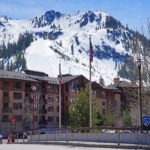
Monte Bianco di Courmayeur

Standing at 4,748 meters above the Italian Alps, Monte Bianco di Courmayeur commands respect from every angle. This formidable peak, connected to Mont Blanc via the dramatic Col Major, represents more than just another summit on the Alpine four-thousanders list—it embodies centuries of mountaineering ambition carved into ancient geological masterpieces.
Fast Facts
Country: Italy
State/Province: Valle d’Aosta
County/Region: Haute-Savoie, Aosta
Mountain Range: Mont Blanc Massif, Savoy Alps
Parents: Mont Blanc
Elevation: 15,577 feet / 4,748 meters
Prominence: 59 feet / 18 meters
Isolation: 0.27 miles / 0.43 kilometers
Nearest Higher Neighbor (NHN): Mont Blanc
A Legacy Written in Ice and Stone
The first successful ascent of Monte Bianco di Courmayeur unfolded on August 18, 1822, when British mountaineer Frederick Clissold led an ambitious expedition alongside local guides Joseph-Marie Couttet, David Couttet, Pierre-Marie Favret, Jacques Couttet, Jean-Baptiste Simond, and Matthie Bosonney. This historic achievement came just 36 years after the first ascent of Mont Blanc itself, marking the beginning of serious Alpine exploration in the Courmayeur region.
What makes this ascent particularly remarkable was the route chosen—a bold line that would later become known for its technical challenges and stunning exposure. The team navigated treacherous glacial terrain and steep rock faces, establishing a precedent for the bold mountaineering that would define this peak for generations.
The golden age of Alpine climbing in the late 19th and early 20th centuries saw Monte Bianco di Courmayeur become a proving ground for Europe’s most ambitious climbers. Notable ascents during this period included pioneering routes up the Peuterey Ridge and the challenging Brouillard Ridge, both of which remain serious undertakings even by today’s standards.
Geological Grandeur: Ancient Forces at Work
Monte Bianco di Courmayeur showcases some of the Alps’ most spectacular geological features, formed through millions of years of tectonic upheaval and glacial sculpting. The mountain’s foundation consists primarily of granite and gneiss, ancient metamorphic rocks that have withstood countless ice ages while being carved into the dramatic faces we see today.
The Glacial Theater
The glacial systems surrounding Monte Bianco di Courmayeur tell a story of constant motion and change. The Miage Glacier on the Italian side represents one of Europe’s most accessible examples of glacial retreat, offering visitors a tangible connection to climate history. This debris-covered glacier stretches for over seven kilometers, creating a natural laboratory where scientists study glacial dynamics.
The Brenva Glacier, flowing down the mountain’s eastern face, presents a more technical challenge for climbers while showcasing classic glacial features including seracs, crevasse fields, and icefalls. These formations change seasonally, creating an ever-evolving landscape that demands respect and careful route-finding.
Geological surveys have revealed that the rock formations here date back approximately 300 million years, with the current mountain structure emerging during the Alpine orogeny that began around 65 million years ago. The distinctive granite intrusions visible on the upper reaches tell the story of ancient magma chambers that cooled slowly beneath the Earth’s surface.
The Normal Route: A Classic Alpine Challenge
The Normal Route to Monte Bianco di Courmayeur follows the traditional path established by early mountaineers, beginning from the Refuge Aiguille du Goûter at 3,817 meters. This route offers mountaineering enthusiasts a comprehensive Alpine experience while remaining technically accessible to climbers with solid high-altitude experience.
Route Breakdown
Stage 1: Refuge to Col Major – The initial section traverses the Bosses Ridge, requiring careful navigation through mixed terrain of rock, ice, and snow. Climbers encounter their first technical challenges here, with fixed ropes assisting passage through the most exposed sections.
Stage 2: Col Major to Summit – The final push involves steep snow and ice climbing with grades reaching 45-50 degrees. Weather conditions can change rapidly at this elevation, making proper timing and equipment selection critical for success.
Technical Requirements: Climbers should be comfortable with crampon technique, ice axe arrest, and rope team travel. The route typically requires 8-12 hours round trip from the refuge, depending on conditions and team experience.
Seasonal Considerations
June through September offers the most favorable conditions, with July and August providing the most stable weather windows. However, climate change has altered traditional climbing seasons, with earlier snow melt and increased rockfall danger during warmer periods.
Modern Mountaineering: Technology Meets Tradition
Today’s climbers benefit from advanced weather forecasting, GPS navigation, and improved safety equipment, yet the fundamental challenges of Monte Bianco di Courmayeur remain unchanged. The mountain continues to test climbers’ technical skills, physical endurance, and mental resilience.
Guided services now operate from both the French and Italian sides, offering structured programs for climbers seeking to attempt the summit safely. These services typically include acclimatization climbs, equipment checks, and detailed route briefings that significantly improve success rates while maintaining safety standards.
Environmental considerations have become increasingly important, with Leave No Trace principles and glacier conservation awareness now integral parts of responsible mountaineering in the region.
Planning Your Adventure
Essential Refuges and Access Points
- Refuge Aiguille du Goûter (3,817m): Primary staging point for Normal Route attempts
- Bivacco Eccles (3,850m): Emergency shelter for extended climbs
- Rifugio Monzino (2,590m): Lower altitude acclimatization base
Best Times to Visit
For Mountaineers: Late June through early September offers optimal climbing conditions, with July providing the most stable weather patterns.
For General Tourists: Summer months (June-September) allow access to viewpoints and lower-altitude trails, while winter transforms the region into a spectacular ski touring destination.
Getting There
Access begins in Courmayeur, Italy, where the Skyway Monte Bianco cable car system provides dramatic views and transportation to higher elevations. The town offers comprehensive mountaineering services, including equipment rental, guide services, and detailed weather information.
Ready to experience Monte Bianco di Courmayeur firsthand? Whether you’re planning a technical ascent or seeking to explore the glacial landscapes from established trails, this remarkable peak offers adventures scaled to every ambition level.