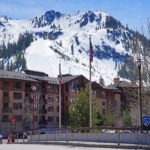
Aspen Mountain Ski Area

Aspen Mountain Ski Area rises directly above downtown Aspen, Colorado, creating one of the most distinctive town-to-mountain skiing experiences in North America. Commonly called Ajax, the ski area is known for steep groomed runs, mogul fields, wooded glades, historic racecourses, and direct gondola access from the center of town.
Unlike many large destination resorts, Aspen Mountain is relatively compact. Its terrain is arranged across a steep mountainside with more than 3,200 feet of vertical relief, allowing skiers to complete long summit-to-town descents without traveling far across the mountain.
Aspen Mountain is not designed primarily for beginners. Its trail network favors confident intermediate, advanced, and expert skiers, particularly those who enjoy sustained groomers, bumps, glades, and technically demanding descents.
🏔️ Overview
Aspen Mountain is one of the four ski areas operated as part of Aspen Snowmass. The other three are Snowmass, Aspen Highlands, and Buttermilk. A single Aspen Snowmass lift ticket generally provides access to all four mountains, which are connected by free local buses rather than ski trails.
The mountain begins at Gondola Plaza in downtown Aspen and rises toward a summit area at 11,212 feet. The Silver Queen Gondola carries passengers from the city to the upper mountain, where trails spread across several ridges and forested faces.
Aspen Mountain’s skiing is remarkably varied for its size. Visitors can find wide groomed cruisers, narrow trails following old mining routes, steep bump runs, gladed powder zones, and expert chutes. The Hero’s terrain expansion, opened for the 2023–2024 season, added a major new group of high-elevation, north-facing trails and glades.
⚡ Fast Facts
| Fast Fact | Details |
|---|---|
| Continent | North America |
| Country | United States |
| State | Colorado |
| County | Pitkin County |
| Nearest Town | Aspen |
| Mountain Range | Elk Mountains, Southern Rocky Mountains |
| Base Elevation | 7,945 feet / 2,422 meters |
| Main Summit Elevation | 11,212 feet / 3,418 meters |
| Highest Lift-Served Point | Approximately 11,262 feet / 3,433 meters at Hero’s |
| Vertical Difference | 3,267 feet / 996 meters |
| Skiable Terrain | Approximately 828 acres after the Hero’s expansion |
| Traditional Trail Count | 76 trails, plus additional chutes, glades, and cut runs in Hero’s |
| Longest Run | Approximately 3 miles / 4.8 kilometers |
| Average Annual Snowfall | Approximately 300 inches / 762 centimeters |
| Beginner Terrain | None on the main winter trail map |
| Primary Terrain | Intermediate, advanced, expert, moguls, glades, and steep groomers |
| Terrain Parks | None |
| Night Skiing | No regular night skiing |
| Opened | January 11, 1947 |
| Operator | Aspen Skiing Company |
| 2026–2027 Planned Season | November 26, 2026–April 18, 2027, conditions permitting |
| Common Nickname | Ajax |
A Note About Aspen Mountain’s Published Statistics
Older official listings describe Aspen Mountain as having 675 acres and 76 trails. The Hero’s project subsequently added 153 acres, including nineteen chutes, three gladed areas, and four cut trails.
Adding the expansion to the former acreage produces approximately 828 acres. Some current publications continue to use the older 675-acre figure, so visitors may encounter different totals depending on when a source was updated.
📍 Location
Aspen Mountain is located in the Elk Mountains of west-central Colorado. The ski area occupies slopes immediately south of downtown Aspen, with its principal base at Gondola Plaza near East Durant Avenue.
This location is one of Aspen Mountain’s defining features. Skiers can walk from hotels, restaurants, shops, and downtown streets directly to the Silver Queen Gondola. At the end of the day, several trails descend toward the edge of the city.
The ski area lies partly within the White River National Forest. From the upper mountain, visitors can see numerous peaks of the Elk Mountains, including portions of the Maroon Bells–Snowmass Wilderness, as well as Castle Peak and Hayden Peak.
Aspen itself sits in the upper Roaring Fork Valley at an elevation of approximately 8,000 feet. The combination of a high base elevation and a summit above 11,000 feet can affect visitors who are not accustomed to mountain environments.

🕰️ History of Aspen Mountain Ski Area
Recreational skiing on Aspen Mountain began before the modern resort was developed. In the 1930s, Swiss mountaineer and avalanche specialist André Roch helped survey the surrounding mountains for skiing. Roch Run was cut on Aspen Mountain, and a basic rope or boat tow helped local skiers climb part of the slope.
During World War II, members of the U.S. Army’s 10th Mountain Division trained in the Colorado mountains. Several soldiers recognized Aspen’s potential and returned to the region after the war, contributing to the development of its skiing culture.
Aspen Mountain officially opened on January 11, 1947. Lift-1, which was reportedly the longest chairlift in the world at the time, transported skiers from near town onto the mountain. The lift’s construction helped transform Aspen from a former silver-mining community into an international winter destination.
The 1950 FIS World Championships
Only three years after its official opening, Aspen hosted the 1950 FIS Alpine World Ski Championships. It was the first Alpine World Championships held outside Europe.
The competition brought internationally recognized racers to Aspen Mountain and introduced a global audience to the resort’s steep terrain. Giant slalom made its World Championship debut during the event.
Aspen continued to host major alpine races in later decades. Several present-day trails and lifts preserve connections to the mountain’s ski-racing history.
The Silver Queen Gondola
The Silver Queen Gondola opened in December 1985. It dramatically improved access by carrying visitors from downtown Aspen to the upper mountain in a single ride.
The gondola became one of the resort’s most recognizable features and helped establish the present-day town-to-summit experience. For nearly four decades after its construction, Aspen Mountain underwent no expansion comparable to the later Hero’s project.
🎿 Ski Terrain and Mountain Layout
Aspen Mountain’s terrain is divided among several ridges, faces, glades, and interconnected lift zones. Although the ski area is smaller than Snowmass or Vail, its trails are arranged efficiently, and many runs descend a substantial portion of the mountain’s vertical relief.
Summit and Upper-Mountain Terrain
The Silver Queen Gondola arrives near the Sundeck at 11,212 feet. From this point, skiers can choose between several routes leading toward the Ajax Express, F.I.S., Ruthie’s, Bell Mountain, or Hero’s areas.
The upper mountain contains some of Aspen’s more approachable intermediate terrain. Runs such as Copper, Dipsy Doodle, Silver Bell, and Deer Park provide links between the principal lift zones.
Even the easier routes on Aspen Mountain can contain narrow sections, changing snow conditions, or steeper pitches than inexperienced skiers expect. Trail ratings are relative to other terrain on the same mountain.
Ajax Express Area
The Ajax Express serves a central portion of the mountain containing groomed trails, mogul runs, and access toward steeper eastern terrain.
Copper and associated connectors provide comparatively direct cruising, while nearby trails such as Walsh’s, Hyrup’s, Kristi, and North American offer more challenging descents. Some of these runs develop large moguls and require strong edge control, balance, and stamina.
The Ajax Express area is also important for circulation because it allows skiers to return quickly to the upper mountain without descending all the way to town.
Bell Mountain and the Face of Bell
Bell Mountain is one of Aspen Mountain’s best-known expert zones. Its terrain includes Face of Bell, Back of Bell, Nose of Bell, and nearby gladed routes.
Face of Bell is famous for sustained moguls and a direct fall-line descent. Conditions can range from soft bumps after fresh snowfall to firm, technical moguls during dry or windy periods.
The surrounding woods contain narrow lines and hidden openings. Skiers should follow marked routes and observe closures because some terrain may be controlled or opened only when conditions permit.
Ruthie’s Area
The western side of Aspen Mountain contains Ruthie’s Run and several related trails. Ruthie’s is one of the mountain’s classic groomed descents and has long been associated with alpine racing.
The area combines fast groomers with steeper alternatives. Ruthie’s lift allows repeated laps without requiring a return to the main gondola.
Because parts of this side receive strong sunlight, snow quality can change throughout the day. Firm morning surfaces may soften under the afternoon sun, particularly during spring.
Hero’s Terrain
Hero’s is Aspen Mountain’s largest modern terrain expansion. Opened during the 2023–2024 season, it added 153 acres on the upper northeastern side of the mountain.
The expansion includes:
- Nineteen chutes
- Three gladed areas
- Four cut trails
- A high-speed quad chairlift
- Approximately 1,220 feet of vertical terrain
Hero’s includes both intermediate and expert options, although much of its identity comes from steep chutes, gladed lines, and natural terrain. Its high elevation and predominantly northern exposure can help preserve snow after other parts of the mountain have been affected by sun or warmer temperatures.
The project also extended Walsh’s and Kristi farther downhill, creating longer descents and eliminating the former hike out from portions of the terrain.
Lower Mountain and Town Runs
Several trails descend toward downtown Aspen. The lower mountain includes narrow connectors, steep pitches, historic lift lines, and trails such as Little Nell and Spar Gulch.
Spar Gulch is an important route between the upper mountain and Gondola Plaza. It may appear relatively straightforward on the map, but its length, traffic, changing snow, and occasional narrowness can make it demanding for less experienced skiers.
The lower slopes often have different conditions from the summit. Snow can become firmer, thinner, or softer depending on temperature, sun exposure, grooming, and recent snowfall.

🟢 Is Aspen Mountain Good for Beginners?
Aspen Mountain is not generally recommended for first-time skiers or snowboarders. The official winter trail map identifies no beginner terrain, and even the mountain’s more manageable routes are designed primarily for intermediates.
Beginners staying in Aspen are usually better served by Buttermilk, which has dedicated learning terrain and gentler slopes. Snowmass also provides a wider range of beginner and lower-intermediate options.
Confident intermediates can enjoy Aspen Mountain, particularly when accompanied by an instructor or someone who knows the trail system. However, they should be comfortable controlling speed on sustained blue runs and navigating narrow connecting trails.
🚡 Lifts and Mountain Access
The Silver Queen Gondola is Aspen Mountain’s primary access lift. It travels from downtown Aspen to the summit area, covering more than 3,200 vertical feet.
During the 2025–2026 season, the mountain’s lift network included:
- Silver Queen Gondola
- Ajax Express
- F.I.S.
- Ruthie’s
- Hero’s
- Bell Mountain
- Little Nell
- Shadow Mountain
The New Nell Bell Lift
For the 2026–2027 winter season, Aspen Snowmass plans to introduce the Nell Bell high-speed detachable quad. The new chairlift is replacing the historic Bell Mountain and Little Nell lifts.
Combining the two older lifts into one modern installation should improve access to the lower and central mountain while simplifying circulation. Because the project changes the number and arrangement of lifts, older maps may not reflect the 2026–2027 system.
Visitors should consult the current official trail map before skiing, especially during the first season of the new lift.
❄️ Snowfall and Snow Conditions
Aspen Mountain receives approximately 300 inches of snowfall during an average season, although annual totals vary considerably.
The upper mountain generally retains snow better because of its elevation. Hero’s also benefits from high, north-facing terrain, while sunny slopes on the western and lower parts of the mountain can change more rapidly.
Aspen Mountain’s conditions are influenced by several factors:
- Recent snowfall
- Wind direction
- Sun exposure
- Elevation
- Grooming
- Temperature changes
- Freeze-and-thaw cycles
After a storm, powder may remain in glades and sheltered areas after groomed slopes areas after have been tracked. During dry periods, mogul runs and steep trails can become firm and technically demanding.
🌤️ Best Time to Ski Aspen Mountain
December
December brings the beginning of the main winter season. Groomed terrain and snowmaking-supported routes often open first, while steep glades and natural-snow zones may require a deeper base.
Holiday periods can be busy, particularly from late December through New Year’s Day.
January and February
January and February generally provide colder temperatures and reliable winter snow. These months are often best for visitors seeking powder, moguls, and winter conditions across the entire mountain.
Storm cycles can produce excellent skiing, although visibility and wind may affect upper-mountain lifts.
March
March combines a developed snowpack with longer daylight hours. It can offer both powder days and sunny spring conditions.
The difference between morning and afternoon snow may become increasingly important on sun-exposed terrain.
April
April is known for spring skiing, warmer temperatures, outdoor dining, and soft afternoon snow. Conditions are often firm early in the morning before becoming softer as the sun warms the surface.
The timing of spring snow is important. Skiers should follow patrol guidance and avoid entering terrain that has closed because of changing conditions.
🏔️ Field Guide Tip: Begin with the upper mountain before committing to a full summit-to-town descent. Spar Gulch and other lower routes are long, and conditions near the base may be firmer or more crowded than those near the summit.

🍽️ Mountain Dining and Après-Ski
Aspen Mountain combines skiing with a substantial dining and après-ski scene.
The Sundeck
The Sundeck is located near the top of the Silver Queen Gondola at 11,212 feet. It provides indoor seating, an outdoor deck, mountain views, and convenient access for skiers and sightseeing passengers.
Bonnie’s
Bonnie’s is a historic mid-mountain restaurant known for breakfast, lunch, baked goods, pancakes, and a sunny outdoor deck. It has long been part of Aspen Mountain’s local skiing culture.
Eleven212
Eleven212 is a summit-area après venue near the Sundeck. Its programming may include music, outdoor seating, food, drinks, and special events.
Ajax Tavern
Ajax Tavern sits beside Gondola Plaza at the base of the mountain. Its slopeside patio makes it one of Aspen’s most recognizable après-ski locations.
Downtown Aspen begins only steps from the gondola, giving visitors access to numerous additional restaurants, cafés, shops, galleries, and entertainment venues.
☀️ Aspen Mountain in Summer
Aspen Mountain also operates as a summer recreation destination. The Silver Queen Gondola provides access to the summit for sightseeing and seasonal activities.
Depending on the current operating schedule, summer attractions may include:
- Hiking
- Scenic gondola rides
- Nature walks
- Disc golf
- Outdoor dining
- Live music
- Yoga
- Family activities
- Special events
Hikers can explore summit trails or descend toward Aspen on routes such as the Ute Trail and associated mountain paths. Conditions at 11,000 feet can change quickly, and afternoon thunderstorms are common in the Colorado high country.
🚗 Getting to Aspen Mountain
By Air
Aspen/Pitkin County Airport is located only a few miles from downtown Aspen. Flight schedules are seasonal and can be affected by mountain weather.
Eagle County Regional Airport and Denver International Airport provide alternatives, although both require longer ground transportation.
By Car
Aspen is reached from the west through the Roaring Fork Valley. Drivers commonly approach through Glenwood Springs and Colorado State Highway 82.
Independence Pass provides a scenic eastern approach during the warmer months but normally closes for winter.
Parking and Local Transportation
Parking in downtown Aspen can be limited and expensive. Many visitors stay within walking distance of Gondola Plaza or use the regional bus system.
Free skier buses connect Aspen Mountain with Aspen Highlands, Buttermilk, and Snowmass. This makes it possible to ski different mountains without moving a vehicle.
🧭 Nearby Mountains and Attractions
Aspen Highlands
Aspen Highlands is known for steep terrain, the Highland Bowl, and extensive expert skiing. It lies a short bus ride from downtown Aspen.
Buttermilk
Buttermilk offers gentler terrain, ski-school facilities, terrain parks, and the slopes used for the Winter X Games. It is generally the best Aspen Snowmass mountain for beginners.
Snowmass
Snowmass is the largest of the four Aspen Snowmass ski areas. Its extensive trail network includes terrain for beginners, intermediates, experts, families, and terrain-park riders terrain for beginners, intermediates, experts,.
Maroon Bells
The Maroon Bells are among Colorado’s most recognizable mountains. Winter road access is restricted, but the surrounding wilderness remains an important part of the Aspen landscape.
Downtown Aspen
Aspen’s historic center contains buildings associated with its silver-mining era, along with museums, galleries, restaurants, shops, and the Wheeler Opera House.
💡 Fun Facts
- Aspen Mountain is commonly called Ajax, a name inherited from an earlier local mining claim and mountain name.
- The ski area rises directly from downtown Aspen.
- Lift-1 was the world’s longest chairlift when Aspen Mountain officially opened in 1947.
- Aspen hosted the first FIS Alpine World Ski Championships held outside Europe in 1950.
- Giant slalom made its World Championship debut in Aspen.
- The Silver Queen Gondola opened in December 1985.
- Hero’s was the mountain’s largest terrain expansion in nearly four decades.
- The official trail map shows no beginner terrain.
- Aspen Mountain has numerous informal memorial shrines hidden among its trees.
- Skiers can descend more than 3,200 vertical feet from the summit area toward town.
❓ Frequently Asked Questions
Why is Aspen Mountain called Ajax?
Ajax was a historic name associated with the mountain and local mining activity. Although the official ski-area name is Aspen Mountain, many residents and longtime visitors continue to call it Ajax.
How high is Aspen Mountain Ski Area?
The main summit and gondola terminal are at approximately 11,212 feet. The Hero’s lift reaches a slightly higher point of about 11,262 feet.
How much vertical does Aspen Mountain have?
The resort’s published vertical difference is 3,267 feet, measured between Gondola Plaza at 7,945 feet and the main summit area at 11,212 feet.
How large is Aspen Mountain?
Older official statistics list 675 acres. The Hero’s expansion added 153 acres, producing a combined total of approximately 828 acres. Some sources have not yet updated the older figure.
Does Aspen Mountain have beginner trails?
No beginner terrain is shown on the current winter trail map. First-time skiers are generally better served by Buttermilk or selected areas of Snowmass.
Is Aspen Mountain difficult?
Aspen Mountain is considered an intermediate-to-expert ski area. It contains demanding groomers, steep mogul runs, glades, and expert chutes.
What is the longest run at Aspen Mountain?
The longest published descent is approximately 3 miles or 4.8 kilometers.
Can snowboarders use Aspen Mountain?
Yes. Aspen Mountain permits both skiing and snowboarding.
Is Aspen Mountain the same as Snowmass?
No. Aspen Mountain and Snowmass are separate ski areas. Both are part of Aspen Snowmass and can normally be accessed with the same mult-mountain lift ticket.
Can non-skiers ride the Silver Queen Gondola?
Sightseeing access is generally available during designated winter and summer operating periods. Current schedules and ticket requirements should be checked before visiting.
When does Aspen Mountain open for skiing?
For the 2026–2027 season, Aspen Mountain is scheduled to operate from November 26, 2026, through April 18, 2027. Dates remain dependent on weather, snow, and operating conditions.
🔗 Related Articles
- Vail Ski Resort
- Breckenridge Ski Resort
- Palisades Tahoe Ski Resort
- Elk Mountains
- Maroon Peak
- Snowmass Mountain
- Highest Peaks in Colorado
- Mountain Ranges in the United States
📚 Sources
- Aspen Snowmass – Aspen Mountain
- Aspen Snowmass – Aspen Mountain Winter Trail Map
- Aspen Snowmass – Hero’s Terrain Expansion
- Aspen Snowmass – 75th Anniversary Celebration
- Aspen Historical Society – Local History Timeline
- Aspen Historical Society – Winter Sports History in Aspen
- U.S. Forest Service – Aspen Mountain Ski Area
- Aspen One – Aspen Snowmass Summer 2026 News
- Aspen Snowmass – 2026–2027 Season Passes