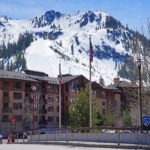
Haleakalā rises more than 10,000 feet above the Pacific Ocean on the Hawaiian island of Maui. Watching the sun appear above the clouds from its high volcanic summit is one of the most memorable experiences in Haleakalā National Park—but it is also an outing that requires considerably more planning than simply driving up before dawn.
Visitors arriving for sunrise must understand the park’s reservation system, allow enough time for the long nighttime drive, prepare for surprisingly cold and windy conditions, and know that the highest summit is not the only place to watch the sunrise.
This guide covers everything you need to know before planning a Haleakalā sunrise, including reservations, fees, the four official viewpoints, what to wear, driving conditions, altitude, and what to do after the sun comes up.
For more about the mountain itself, including its geography, geology, ecology, and volcanic history, see our complete Haleakalā guide.
🌅 Haleakalā Sunrise Overview
The summit of Haleakalā reaches 10,023 feet (3,055 meters) above sea level, making it the highest point on Maui.
Because the mountain rises so far above the surrounding landscape, visitors at sunrise may find themselves looking across a vast layer of clouds rather than simply watching the sun rise above the ocean.
The experience begins well before daylight.
Cars wind upward through the Summit District in darkness, climbing thousands of feet from Maui’s warmer lowlands into an exposed high-elevation environment. Temperatures can approach or fall below freezing near the summit, while strong winds and clouds can make conditions feel even colder.
Eventually, the eastern horizon begins to brighten. On a clear morning, the changing light gradually reveals volcanic slopes, cinder cones, distant islands, and the enormous summit landscape of Haleakalā.
However, clear skies are never guaranteed. Clouds, fog, rain, and strong wind can occur at any time.
That uncertainty is part of visiting a high mountain.

⚡ Haleakalā Sunrise Quick Facts
| Fact | Details |
|---|---|
| Location | Summit District, Haleakalā National Park, Maui, Hawaiʻi |
| Summit Elevation | 10,023 ft / 3,055 m |
| Sunrise Reservation Required | Yes, for vehicles entering from 3:00 a.m.–7:00 a.m. |
| Reservation Fee | $1 per vehicle |
| Advance Reservation Window | Up to 60 days |
| Additional Ticket Release | A portion is released 2 days in advance |
| Ticket Release Time | 7:00 a.m. HST |
| Official Sunrise Viewpoints | 4 |
| Highest Viewpoint | Puʻu ʻUlaʻula / Red Hill Summit |
| Lowest Viewpoint | Leleiwi Overlook |
| Food or Gas in Park | No |
| Weather | Cold, windy, and highly variable |
| Summit Road Lighting | No streetlights |
| Gate-to-Summit Drive | Approximately 30 minutes |
🎟️ Do You Need a Reservation for Haleakalā Sunrise?
Yes.
Visitors entering the Summit District in a vehicle between 3:00 a.m. and 7:00 a.m. must have an advance sunrise reservation.
You cannot simply arrive at the entrance station before sunrise and purchase one.
Reservations are made through Recreation.gov and are issued per vehicle rather than per person.
The reservation system was introduced because sunrise became extremely popular while parking at the summit is limited.
A sunrise reservation gives you access to the Summit District during the sunrise reservation period. It does not reserve a particular parking space or viewpoint.
Parking areas close as they become full.
Visitors arriving without a sunrise reservation cannot enter the Summit District until after 7:00 a.m.

🗓️ How to Get a Haleakalā Sunrise Reservation
Sunrise reservations can be made up to 60 days before your visit.
New reservations are released at 7:00 a.m. Hawaiʻi Standard Time (HST).
They can disappear quickly, particularly during popular travel periods.
If you miss the initial release, there is another opportunity.
A portion of the reservations for each date is released two days, or 48 hours, before the visit, also at 7:00 a.m. HST.
Reservations are only valid for the specific date selected.
Visitors are currently limited to one sunrise reservation within a three-day period.
The reservation holder should be present when entering the park and should have:
- Photo identification matching the reservation
- Sunrise reservation confirmation
- A valid park pass or payment method for the park entrance fee
The sunrise reservation itself currently costs $1 per vehicle.
This fee is separate from the normal Haleakalā National Park entrance fee.
As of 2026, the standard entrance fee for a private non-commercial vehicle is $30, valid for three days in both the Summit and Kīpahulu districts. Visitors with an eligible National Park Service pass can use that pass for the entrance fee, but the pass does not eliminate the separate sunrise reservation requirement.
Fees and reservation policies can change, so always verify the current rules before your trip.
🏔️ Field Guide Tip: If Haleakalā sunrise is one of the most important parts of your Maui trip, mark both reservation-release dates on your calendar. Try when reservations first open 60 days ahead, then check again 48 hours before your intended visit if you were unsuccessful.
⏰ What Time Should You Arrive for Haleakalā Sunrise?
Do not use the actual sunrise time as your planned arrival time.
You need enough time to:
- Drive from your lodging to Haleakalā National Park.
- Reach the entrance station.
- Have your reservation and identification checked.
- Drive through the Summit District.
- Find an available parking area.
- Walk to your chosen viewpoint.
- Get settled before the sky begins changing color.
The National Park Service estimates that the drive between the entrance gate and the summit takes approximately 30 minutes.
That does not include the considerable drive required to reach the park entrance from Maui’s coastal communities.
Sunrise time also varies throughout the year, so check the sunrise time for your exact travel date rather than relying on a general estimate.
Because the reservation window begins at 3:00 a.m., visitors have considerable flexibility in choosing when to enter.
An earlier arrival also provides an opportunity to experience Haleakalā’s remarkably dark night sky before dawn.

📍 The Four Best Haleakalā Sunrise Viewpoints
There are four official sunrise viewing locations within the Summit District.
From highest to lowest elevation, they are:
| Viewpoint | Elevation | What to Know |
|---|---|---|
| Puʻu ʻUlaʻula / Red Hill Summit | 10,023 ft | Highest viewpoint and true summit |
| Haleakalā Visitor Center | 9,740 ft | Popular crater-rim viewing area |
| Kalahaku Overlook | 9,324 ft | Often quieter than the highest viewpoints |
| Leleiwi Overlook | 8,840 ft | Short walk from parking; good option for more solitude |
No reservation guarantees access to a particular viewpoint.
If a parking lot is full, you will need to continue to another available sunrise viewing area.
Puʻu ʻUlaʻula / Red Hill Summit
At 10,023 feet, Puʻu ʻUlaʻula is the highest point on Haleakalā and the highest official sunrise viewpoint.
For many visitors, this is the location they imagine when planning a Haleakalā sunrise.
Its great elevation provides broad views across the summit environment, surrounding clouds, distant mountains, and the Pacific when visibility permits.
However, being the highest viewpoint does not necessarily make it the best choice every morning.
The summit can be extremely windy and cold, and parking is limited.
If the parking area is full, don’t assume the sunrise experience has been lost. Excellent views are available lower on the mountain.
Haleakalā Visitor Center
The Haleakalā Visitor Center area sits at approximately 9,740 feet near the rim of the enormous summit depression.
This is another very popular sunrise location.
Its position provides dramatic views into the volcanic landscape as changing morning light illuminates cinder cones, crater walls, and distant ridges.
The nearby Pā Kaʻoao Trail also climbs a small volcanic hill beside the visitor center. The official trail is only about 0.4 mile round trip, although visitors should wait for adequate daylight before exploring unfamiliar trails.
Kalahaku Overlook
Kalahaku Overlook sits at approximately 9,324 feet.
The National Park Service specifically identifies Kalahaku as one of the options for visitors seeking a somewhat more solitary sunrise experience.
Its slightly lower elevation provides a different perspective across Haleakalā’s dramatic summit landscape.
Choosing Kalahaku can also be a good strategy when parking closer to the summit has filled.
Leleiwi Overlook
At approximately 8,840 feet, Leleiwi is the lowest of the four official sunrise viewpoints.
It can also be one of the most rewarding.
The viewing area requires a short walk from the parking lot. The trail is approximately 0.3 mile round trip, with about 100 feet of elevation change.
Because visitors will be walking before sunrise, a dependable headlamp is especially useful here.
See our guide to the best hiking headlamps if you need illumination for pre-dawn hiking.
The National Park Service also recommends Leleiwi for visitors looking for a quieter sunrise experience.
🌡️ How Cold Is Haleakalā at Sunrise?
Much colder than many Maui visitors expect.
A warm evening near the beach can make it easy to underestimate what conditions will be like above 10,000 feet several hours later.
Summit temperatures throughout the year can fall to around freezing or below. Wind, fog, damp conditions, and clouds can make the apparent temperature considerably colder.
Do not plan your sunrise clothing around conditions at your hotel.
A practical layering system might include:
- Long pants
- Warm base layer
- Fleece or warm midlayer
- Insulated jacket
- Wind-resistant or waterproof outer layer
- Warm hat or beanie
- Gloves
- Warm socks
- Closed-toe walking or hiking shoes
Visitors who become cold easily may appreciate an additional insulated layer.
You will also spend significant time standing relatively still while waiting for sunrise. Clothing that feels adequate while walking may suddenly feel insufficient after 30 minutes in strong wind.
For a deeper explanation of why summit conditions can differ so dramatically from the coast, see Why Are Mountains Colder?.
Once the sun rises, temperatures and sun exposure can change rapidly. Bring sunscreen and sunglasses even though your trip begins in darkness.
🚗 Driving to Haleakalā Before Dawn
The drive is part of the challenge.
The Summit District road climbs thousands of feet through a series of bends and exposed mountain slopes.
Before sunrise, the road is dark.
The National Park Service specifically warns that the road to the summit has no streetlights and sections without guardrails.
Drivers should:
- Allow plenty of time.
- Obey posted speed limits.
- Keep headlights on.
- Watch carefully for wildlife.
- Use designated pullouts rather than stopping in the roadway.
- Be prepared for fog, rain, wind, or low visibility.
- Avoid passing except where legally permitted.
- Use a lower gear when descending the mountain when appropriate for the vehicle.
Wildlife can appear on or beside the road, including the Hawaiian goose or nēnē, Hawaiʻi’s state bird.
Never rush simply because sunrise is approaching.
Missing the first few minutes of sunrise is far better than driving an unfamiliar mountain road too quickly in darkness.
There is also no gas for sale inside Haleakalā National Park, so fill your tank before heading toward the summit.
Food and clothing are not sold inside the park either.
🏔️ Remember the Altitude
Haleakalā’s summit is not simply a scenic overlook.
At more than 10,000 feet above sea level, it is a genuine high-altitude environment.
Someone who spent the previous afternoon at sea level may reach 10,000 feet only a few hours later.
The lower concentration of oxygen at high elevation can cause symptoms including:
- Headache
- Dizziness
- Nausea
- Shortness of breath
- Unusual fatigue
Take it easy when you first arrive.
People with heart or respiratory conditions should discuss high-elevation travel with an appropriate medical professional before visiting the summit.
Anyone planning to hike after sunrise should take the elevation especially seriously.
The trails may initially descend into the Haleakalā wilderness, which means the difficult uphill portion comes after the seemingly easy descent.
The National Park Service advises hikers to allow roughly twice as much time to hike back uphill as they spent descending.
🌺 Respecting Haleakalā’s Cultural Significance
Haleakalā is much more than a scenic attraction.
The summit is a sacred place within Native Hawaiian culture and has been connected with Hawaiian traditions, ceremonies, stories, and practices for centuries.
The name Haleakalā is commonly interpreted as “house of the sun.”
One of the best-known Hawaiian moʻolelo associated with the mountain tells of the demigod Māui snaring the sun so that it would travel more slowly across the sky.
The mountain remains culturally significant today.
Visitors should:
- Speak quietly around cultural practices.
- Never interrupt ceremonies or practitioners.
- Remain on established trails.
- Do not remove rocks, plants, or cultural objects.
- Follow all National Park Service regulations.
- Treat the landscape as a living cultural place rather than merely a photography location.
The National Park Service specifically asks visitors to remain quiet and respectful at the summit because it is sacred to Native Hawaiians.
Sunrise is spectacular—but visitors are guests in a place whose significance extends far beyond the view.

🥾 What to Do After Sunrise
One advantage of waking up so early is having much of the day ahead of you.
Rather than immediately driving back down the mountain, consider spending some time exploring the Summit District.
Pā Kaʻoao Trail
This short trail begins near the Haleakalā Visitor Center.
The route is approximately 0.4 mile round trip with about 100 feet of elevation change and climbs a volcanic hill overlooking the summit landscape.
It is an excellent option for visitors who want a short walk rather than a major hike.
Keoneheʻeheʻe / Sliding Sands Trail
The Keoneheʻeheʻe Trail—often called the Sliding Sands Trail—descends into the vast summit wilderness.
Even walking the first half-mile can provide a much closer look at Haleakalā’s cinder landscape.
Longer hikes become significantly more demanding.
The trail descends first, meaning every foot of elevation lost eventually has to be regained unless you have arranged a longer point-to-point route.
High altitude, loose volcanic cinders, strong sun, cold, and rapidly changing weather can make the return journey much harder than expected.
Leleiwi Overlook Trail
If you watched sunrise elsewhere, consider stopping at Leleiwi during daylight.
The short trail provides another perspective into the volcanic landscape and surrounding mountain terrain.
Hosmer Grove
Hosmer Grove lies lower in the Summit District and offers a striking contrast with the barren upper mountain.
Its approximately 0.54-mile loop passes through forest and native shrubland where visitors may have opportunities to see native Hawaiian birds.
Anyone planning to hike beyond the developed overlooks should review The Ten Essentials for Hiking before heading onto the trail.

🎒 What to Bring for Haleakalā Sunrise
A simple sunrise trip does not require expedition equipment, but arriving prepared makes the experience much more comfortable.
Bring:
- Sunrise reservation confirmation
- Photo ID for the reservation holder
- National park pass or payment method
- Warm layered clothing
- Insulated jacket
- Rain or wind shell
- Gloves
- Warm hat
- Water
- Snacks or breakfast
- Headlamp or flashlight
- Fully charged phone
- Camera if desired
- Sunscreen
- Sunglasses
- Sturdy shoes
If you plan to hike afterward, add the appropriate hiking equipment, extra water, navigation, first-aid supplies, and other essentials for the route.
🏔️ Field Guide Tip: Pack your summit clothes the night before and dress in layers before leaving your lodging. Searching through luggage for gloves or a jacket at 3:00 a.m. is an unnecessary way to start the day.
☁️ What If the Sunrise Is Cloudy?
Clouds are always possible.
Weather at Haleakalā changes quickly, and there is no way to guarantee that the summit will be clear on a particular morning.
A sunrise reservation is valid only for the date booked.
Reservations are not refunded or exchanged because of poor weather.
That may sound disappointing, but clouds do not automatically ruin the experience.
Haleakalā can sit above a cloud deck, allowing visitors to watch the sun rise over what looks like an enormous white ocean. Clouds can also move rapidly enough that an apparently obscured horizon clears just before sunrise.
Other mornings remain completely clouded in.
Mountain weather is unpredictable, and accepting that uncertainty is part of the experience.
🌄 Is Haleakalā Sunrise Worth It?
For many visitors, yes.
The combination of extreme elevation, darkness, changing light, volcanic terrain, clouds, and enormous views makes Haleakalā sunrise unlike an ordinary coastal sunrise.
However, it requires some effort.
Expect:
- A very early departure
- A long nighttime drive
- Cold temperatures
- Strong wind
- Limited parking
- A reservation requirement
- The possibility of clouds obscuring the view
Travelers who strongly dislike waking before dawn may prefer sunset, daytime hiking, or stargazing.
Sunset does not currently require the special sunrise reservation, although summit parking can still become crowded.
The “best” way to experience Haleakalā depends on the traveler.
Sunrise is famous for good reason, but the mountain is remarkable throughout the day.

❓ Frequently Asked Questions
Do you need reservations for Haleakalā sunrise?
Yes. Vehicles entering the Summit District between 3:00 a.m. and 7:00 a.m. require an advance sunrise reservation.
How much is the Haleakalā sunrise reservation?
The sunrise reservation currently costs $1 per vehicle. This is separate from the normal national park entrance fee.
How far in advance can I reserve Haleakalā sunrise?
Reservations become available up to 60 days in advance. A portion of reservations is also released two days before each date.
What time are Haleakalā sunrise reservations released?
Reservations are released at 7:00 a.m. Hawaiʻi Standard Time.
Can I get a sunrise reservation at the park entrance?
No. Sunrise reservations must be obtained in advance through Recreation.gov. The park does not issue them at the entrance station.
Can I enter Haleakalā without a sunrise reservation?
Yes, but not during the sunrise reservation period. Visitors without sunrise reservations may enter the Summit District after 7:00 a.m.
What is the best Haleakalā sunrise viewpoint?
There is no single best viewpoint for every visitor.
Puʻu ʻUlaʻula offers the highest vantage point at 10,023 feet, while the Haleakalā Visitor Center provides excellent views into the volcanic landscape.
Kalahaku and Leleiwi can offer a quieter experience.
All four can provide excellent sunrise views when weather cooperates.
Is the Haleakalā summit the only place to watch sunrise?
No.
There are four official sunrise viewing locations:
- Puʻu ʻUlaʻula / Red Hill Summit
- Haleakalā Visitor Center
- Kalahaku Overlook
- Leleiwi Overlook
Is it cold at Haleakalā sunrise?
Yes.
Temperatures near the summit can approach or fall below freezing, and wind can make it feel considerably colder.
Bring warm clothing even if temperatures near the coast are tropical.
Is there food at the summit?
No. The National Park Service advises that there is no food, clothing, or gas for sale within the park.
Bring your own food and water and fill your vehicle with fuel before arriving.
Can I hike after sunrise?
Yes.
The Summit District contains more than 30 miles of trails, ranging from very short walks to demanding wilderness routes.
Remember that hiking at nearly 10,000 feet can be substantially more difficult than hiking at sea level.
Is Haleakalā sunrise suitable for children?
Many families visit the summit, but parents should prepare children carefully for the cold, darkness, high elevation, early wake-up time, and long drive.
Warm clothing is especially important.
What happens if the weather is bad?
Sunrise reservations are not refunded or exchanged because of weather.
Cloud, fog, rain, and wind are all possible at the summit.
Do I need a headlamp?
You do not necessarily need one if you remain near your vehicle at a developed viewing area, but carrying one is wise.
A headlamp is especially useful for Leleiwi Overlook or any pre-dawn walking.
Does a national park pass replace the sunrise reservation?
No.
A qualifying national park pass may cover the normal entrance fee, but visitors entering during the 3:00–7:00 a.m. sunrise period still need a separate sunrise reservation.
Can I sleep in my car at Haleakalā while waiting for sunrise?
Not unless you are staying in a designated camping area under the applicable rules.
Sleeping overnight in a vehicle outside a designated campground is prohibited within Haleakalā National Park.
🔗 Related Articles
- Haleakalā — Learn about the mountain’s geography, geology, volcanic history, wildlife, and summit.
- Why Are Mountains Colder? — Understand why temperatures fall so dramatically as you climb from Maui’s coast toward the Haleakalā summit.
🔗 Related Hiking and Safety Guides
📚 Sources
- National Park Service — Haleakalā Sunrise — Current reservation procedures, weather preparation, driving information, parking, and sunrise planning.
- National Park Service — Haleakalā Sunrise Reservations FAQ — Reservation windows, fees, access hours, four official viewpoints, elevations, and parking rules.
- National Park Service — Fees & Passes — Current Haleakalā National Park entrance fees and pass information.
- National Park Service — Hiking — Summit hiking conditions, altitude guidance, trail distances, and current designated trails.
- National Park Service — Summit District — Summit safety, weather preparation, visitor guidance, and the cultural significance of Haleakalā.