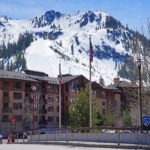
Colorado’s highest mountains form one of the most impressive concentrations of alpine summits in the United States. Every mountain in the state’s top ten rises above 14,270 feet, and all belong to the Southern Rocky Mountains.
These peaks are distributed among several ranges, from the broad high ridges of the Sawatch Range to the steep, rugged summits of the Sangre de Cristo and Elk Mountains. Some can be reached by strenuous hiking trails, while others require scrambling, careful route-finding, and substantial mountaineering experience.
This guide ranks the ten highest independent peaks in Colorado and explores their locations, elevations, mountain ranges, climbing difficulty, and defining features.
🏔️ Overview
Colorado has 58 named summits that rise above 14,000 feet. These mountains are commonly called fourteeners or 14ers.
Not every named summit is considered an independent ranked mountain. Most Colorado peak lists apply a minimum prominence requirement of 300 feet. Under this system, 53 of the state’s named fourteeners are ranked, while summits with less than 300 feet of prominence are treated as unranked subsidiary peaks.
This distinction explains why a high point such as North Massive does not appear in the top-ten ranking even though its summit is higher than several independent fourteeners.
For more information about how mountains are classified, see What Is Mountain Prominence? and Mountain Elevation vs. Prominence.
Because published elevations differ slightly among maps and databases, the table below uses the current LiDAR-based elevations adopted by 14ers.com for consistency.
⚡ Highest Peaks in Colorado at a Glance
| Rank | Mountain | Elevation | Mountain Range | Standard Route Difficulty |
|---|---|---|---|---|
| 1 | Mount Elbert | 14,438 ft / 4,401 m | Sawatch Range | Class 1 |
| 2 | Mount Massive | 14,427 ft / 4,397 m | Sawatch Range | Class 2 |
| 3 | Mount Harvard | 14,424 ft / 4,396 m | Sawatch Range | Class 2 |
| 4 | Blanca Peak | 14,350 ft / 4,374 m | Sangre de Cristo Range | Difficult Class 2 |
| 5 | La Plata Peak | 14,344 ft / 4,372 m | Sawatch Range | Class 2 |
| 6 | Uncompahgre Peak | 14,318 ft / 4,364 m | San Juan Mountains | Class 2 |
| 7 | Crestone Peak | 14,299 ft / 4,358 m | Sangre de Cristo Range | Class 3 |
| 8 | Mount Lincoln | 14,293 ft / 4,357 m | Mosquito Range | Class 2 |
| 9 | Grays Peak | 14,275 ft / 4,351 m | Front Range | Class 1 |
| 10 | Castle Peak | 14,274 ft / 4,351 m | Elk Mountains | Difficult Class 2 |
Route classifications describe the normal summer conditions on each mountain’s standard route. Snow, ice, storms, poor visibility, or route-finding mistakes can make any of these climbs considerably more dangerous.
1. Mount Elbert — 14,438 Feet
Mount Elbert is the highest mountain in Colorado and the highest summit in the entire Rocky Mountain system. It is also the second-highest mountain in the contiguous United States, surpassed only by Mount Whitney in California.
The mountain rises in the Sawatch Range southwest of Leadville and near the community of Twin Lakes. Its broad slopes are less visually dramatic than the steep faces of some lower Colorado peaks, but its elevation, prominence, and geographic position make it one of the most important mountains in North America.
Several established routes reach the summit. The Northeast Ridge and East Ridge are generally rated Class 1, meaning they follow hiking trails without requiring technical climbing under normal summer conditions.
That does not make Mount Elbert an easy mountain. Standard routes involve thousands of feet of elevation gain, many hours above 10,000 feet, rapidly changing weather, and prolonged exposure above the treeline.
The summit offers expansive views across the Sawatch Range, including nearby Mount Massive, La Plata Peak, and numerous other Colorado fourteeners.
Key distinction: Highest mountain in Colorado and the Rocky Mountains.
2. Mount Massive — 14,427 Feet
Mount Massive rises only 11 feet lower than Mount Elbert, making it Colorado’s second-highest independent peak.
The mountain is appropriately named. Instead of forming a single sharp summit, Mount Massive stretches across a long, broad ridge containing several points above 14,000 feet. The main summit is the only ranked peak on the massif, while North Massive, Massive Green, and South Massive are considered subsidiary summits.
Mount Massive stands west of Leadville within the Mount Massive Wilderness. Its proximity to Mount Elbert places Colorado’s two highest mountains within the same section of the Sawatch Range.
The standard East Slopes route is rated Class 2 and involves a long approach, substantial elevation gain, rocky upper slopes, and a final traverse across the summit ridge. The Southwest Slopes route is shorter but still demands strong fitness and careful preparation.
Key distinction: Second-highest mountain in Colorado and one of the broadest high-elevation massifs in the state.
3. Mount Harvard — 14,424 Feet
Mount Harvard is Colorado’s third-highest mountain and the highest summit in the Collegiate Peaks, a celebrated section of the Sawatch Range.
The Collegiate Peaks include mountains named after prominent American universities, including Mount Harvard, Mount Yale, Mount Princeton, Mount Columbia, and Mount Oxford.
Mount Harvard rises west of Buena Vista and is usually approached through Horn Fork Basin. Its standard route is rated Class 2, with a long trail approach followed by increasingly rocky terrain near the summit.
The mountain is frequently combined with neighboring Mount Columbia, although the connecting traverse is much more demanding than climbing either mountain by its standard route. Loose rock, steep slopes, and route-finding challenges make the traverse unsuitable for hikers who are not comfortable moving through rough alpine terrain.
Key distinction: Highest summit in Colorado’s Collegiate Peaks.
4. Blanca Peak — 14,350 Feet
Blanca Peak is the highest mountain in the Sangre de Cristo Range and the fourth-highest independent summit in Colorado.
The mountain rises dramatically above the San Luis Valley in southern Colorado. It forms part of a rugged cluster that includes Ellingwood Point, Little Bear Peak, and several high subsidiary summits.
Blanca Peak holds deep cultural importance for Indigenous peoples of the American Southwest. The mountain is commonly associated with Sisnaajiní, the sacred eastern mountain in the traditional geography of the Navajo people.
The standard Northwest Ridge route is generally rated Difficult Class 2. Although much of the upper route consists of hiking and scrambling, reaching the mountain can be complicated by the exceptionally rough Lake Como Road. Most ordinary vehicles must stop well below the upper trailhead, substantially increasing the distance and elevation gain.
The surrounding terrain is steep and rocky, and the nearby Little Bear–Blanca ridge is among Colorado’s most serious technical traverses.
Key distinction: Highest mountain in the Sangre de Cristo Range.
5. La Plata Peak — 14,344 Feet
La Plata Peak is the fifth-highest mountain in Colorado and the fourth Sawatch Range summit in the state’s top five.
Its name comes from the Spanish phrase la plata, meaning “silver,” reflecting the mining history of the surrounding region.
The mountain rises southwest of Mount Elbert near Independence Pass and the upper Arkansas River Valley. Its sharp ridges and sweeping north face give it a more rugged appearance than the broad slopes of Mount Elbert.
The standard Northwest Ridge route is rated Class 2. It begins in forest, climbs through a steep valley, and eventually follows a long rocky ridge to the summit. The route requires considerable elevation gain and includes rough talus near the upper mountain.
Alternative routes are more isolated and can involve additional route-finding, scrambling, or snow travel.
Key distinction: Fifth-highest mountain in Colorado and one of the most recognizable high peaks of the Sawatch Range.
6. Uncompahgre Peak — 14,318 Feet
Uncompahgre Peak is the highest mountain in the San Juan Mountains of southwestern Colorado.
Its broad summit plateau and steep eastern cliffs give the mountain a distinctive profile unlike the sharper volcanic peaks found elsewhere in the San Juans. The upper mountain consists largely of volcanic rock produced during the region’s long and complex history of eruptions, uplift, erosion, and glaciation.
Uncompahgre Peak is commonly approached from the Nellie Creek Trailhead near Lake City. The standard South Ridge route is rated Class 2 and is relatively straightforward once hikers reach the upper trailhead.
Access is an important consideration. The road leading to the trailhead is rough and may require a suitable high-clearance four-wheel-drive vehicle. Hikers starting from the lower road face a substantially longer day.
The final portion of the climb passes beneath steep cliffs before reaching the mountain’s broad summit area.
Key distinction: Highest summit in the San Juan Mountains.
7. Crestone Peak — 14,299 Feet
Crestone Peak is the seventh-highest mountain in Colorado and one of the most technically demanding peaks in the top ten.
It rises in the northern Sangre de Cristo Range alongside Crestone Needle, Kit Carson Peak, and Humboldt Peak. These mountains form one of Colorado’s most dramatic groups of steep rock towers, narrow ridges, and high alpine basins.
The standard South Face route ascends the mountain’s Red Gully and is rated Class 3. Climbers must use their hands for upward movement, maintain careful route-finding, and manage the danger posed by loose rocks dislodged by people higher on the route.
Although the scrambling is not considered highly technical under dry summer conditions, a fall in the gully could have serious consequences. Snow, ice, running water, or thunderstorms can quickly make the route considerably more dangerous.
Crestone Peak should generally be reserved for experienced climbers who are already comfortable on easier Colorado fourteeners.
Key distinction: Highest summit in the Crestone group and the most technically demanding mountain in Colorado’s top ten.
8. Mount Lincoln — 14,293 Feet
Mount Lincoln is the highest mountain in the Mosquito Range and Colorado’s eighth-highest ranked summit.
The mountain rises above the historic mining communities of Alma and Fairplay. It is part of a closely connected group that includes Mount Democrat, Mount Cameron, and Mount Bross.
Many hikers attempt several of these summits during a single outing commonly called the Decalibron Loop. However, portions of the surrounding terrain cross or approach privately owned mining land, and public access arrangements can change. Hikers should always verify current closures, approved routes, and landowner requirements before beginning the climb.
Mount Lincoln’s standard routes are generally rated Class 2. The terrain is not highly technical in dry summer conditions, but loose rock, mining remains, exposed ridges, wind, and rapidly developing storms remain important hazards.
Key distinction: Highest summit in the Mosquito Range.
9. Grays Peak — 14,275 Feet
Grays Peak is the highest mountain in Colorado’s Front Range and one of the most frequently climbed fourteeners in the state.
The mountain stands near Interstate 70 west of Denver, making it more accessible than many remote Colorado peaks. It is commonly climbed together with neighboring Torreys Peak, which ranks just outside the state’s top ten.
Grays Peak is also the highest point on the Continental Divide in North America. Water falling on opposite sides of the summit ultimately drains toward different ocean basins.
The standard North Slopes route is rated Class 1 and follows a developed trail. Despite its nontechnical classification, the hike still involves substantial elevation gain, high altitude, exposed terrain, and the possibility of dangerous weather.
Heavy use has also placed pressure on the surrounding alpine environment. Staying on the established trail helps reduce erosion and damage to slow-growing tundra vegetation.
Key distinction: Highest mountain in the Front Range and highest point on the North American Continental Divide.
10. Castle Peak — 14,274 Feet
Castle Peak is the highest mountain in the Elk Mountains and the tenth-highest ranked summit in Colorado.
The mountain rises southwest of Aspen near Conundrum Peak. Its steep ridges, loose slopes, and layered rock give it a more rugged character than the broad Sawatch Range summits farther east.
The standard Northeast Ridge route is rated Difficult Class 2. Climbers must negotiate loose rock, steep sections, and terrain where route selection matters. Snow often remains in the basin well into summer, and some climbing parties use a snow-filled couloir when conditions are stable and appropriate equipment is carried.
Castle Peak is often combined with Conundrum Peak, but Conundrum lacks the prominence required to qualify as a separately ranked fourteener.
The Elk Mountains are known for fractured and sometimes unstable rock. Climbers should move carefully, avoid traveling directly below other parties, and remain alert for falling debris.
Key distinction: Highest summit in the Elk Mountains.
📍 Where Are Colorado’s Highest Peaks?
Colorado’s ten highest peaks are distributed among six mountain ranges.
Sawatch Range
The Sawatch Range dominates the ranking with four of the five highest mountains:
- Mount Elbert
- Mount Massive
- Mount Harvard
- La Plata Peak
The Sawatch is the highest range in Colorado and contains more fourteeners than any other range in the state.
Sangre de Cristo Range
The Sangre de Cristo Range contains:
- Blanca Peak
- Crestone Peak
These mountains are generally steeper and more rugged than the broad high summits of the Sawatch Range.
San Juan Mountains
Uncompahgre Peak represents the San Juan Mountains. The range contains numerous volcanic peaks, remote basins, mining roads, and some of Colorado’s most complex alpine terrain.
Mosquito Range
Mount Lincoln is the highest summit in the Mosquito Range, a narrow chain running north from the central Colorado high country.
Front Range
Grays Peak is the highest summit in the Front Range, the easternmost major range of the Colorado Rockies.
Elk Mountains
Castle Peak is the highest mountain in the Elk Mountains, a range known for steep slopes, fractured rock, and technically demanding summits.
All six ranges form part of the broader Rocky Mountains, one of the major mountain ranges in the United States.
📏 What Makes a Colorado Peak “Ranked”?
A commonly used Colorado fourteener rule requires a summit to rise at least 300 vertical feet above the saddle connecting it to a higher mountain.
Under this system:
- A summit with at least 300 feet of prominence is ranked.
- A named summit with less than 300 feet of prominence is unranked.
- An unranked summit can still rise above 14,000 feet.
- Different organizations may use slightly different rules or measurements.
Examples of named but unranked Colorado fourteeners include Mount Cameron, El Diente Peak, Challenger Point, North Eolus, and Conundrum Peak.
The 300-foot rule is a regional peak-list convention rather than a universal scientific definition of a mountain.
🥾 Which of Colorado’s Highest Peaks Are Easiest to Climb?
Mount Elbert and Grays Peak have Class 1 standard routes and are the least technical mountains in the top ten. Both follow established trails under normal summer conditions.
However, “least technical” does not mean easy or safe. Climbers may still face:
- More than 3,000 or 4,000 feet of elevation gain
- Thin air and altitude sickness
- Long periods above the treeline
- Strong ultraviolet exposure
- Sudden temperature changes
- High winds
- Lightning
- Snow or ice
- Exhaustion during the descent
Mount Massive, Mount Harvard, La Plata Peak, Uncompahgre Peak, and Mount Lincoln have Class 2 standard routes. These routes can include talus, scree, uneven surfaces, limited scrambling, and sections where the trail becomes less obvious.
Blanca Peak and Castle Peak are rated Difficult Class 2, reflecting their more demanding terrain, approach problems, route-finding challenges, or exposure.
Crestone Peak is a Class 3 climb and should not be treated as a conventional hike.
🏔️ Field Guide Tip: Build experience gradually. Complete several Class 1 peaks before progressing to Class 2 routes, and become comfortable with route-finding and exposed scrambling before attempting a Class 3 mountain such as Crestone Peak.
🌤️ Best Time to Climb Colorado’s Highest Peaks
The main summer climbing season generally extends from July through September, although conditions vary from year to year.
July
Many routes become largely snow-free during July, but lingering snowfields can remain on shaded slopes, gullies, and high basins. Afternoon thunderstorms are common.
August
August often provides relatively clear trails and warm daytime temperatures, but thunderstorms and lightning remain serious hazards.
September
Early September can bring stable weather, cooler temperatures, and fewer hikers. The first significant autumn snowstorms can arrive with little warning.
Winter and Spring
Winter and spring ascents may require avalanche training, snowshoes or skis, crampons, an ice axe, winter navigation skills, and experience evaluating snow conditions.
Snow can fall on Colorado’s highest mountains during any month of the year.
⚠️ Safety on Colorado Fourteeners
Colorado’s highest mountains should be treated as serious alpine environments.
Before beginning a climb:
- Check mountain-specific weather forecasts.
- Review current trail and road conditions.
- Confirm that the route is legally open.
- Begin early enough to avoid exposed terrain during afternoon storms.
- Carry navigation tools and know how to use them.
- Bring adequate water, food, sun protection, and warm layers.
- Tell someone where you are going and when you expect to return.
- Turn around when conditions become unsafe.
Every climber should carry the systems described in The Ten Essentials for Hiking.
Altitude illness can affect anyone, regardless of age or physical fitness. Symptoms such as persistent headache, nausea, unusual fatigue, poor coordination, or confusion should not be ignored. Descending is the most reliable response when symptoms become serious or continue to worsen.
Lightning is another major danger. Once thunder is audible, the safest response is to leave summits, ridges, and other exposed high ground immediately. An early departure helps reduce risk, but no schedule guarantees protection from rapidly developing storms.
🌿 Protecting Colorado’s Alpine Environment
The environment above the treeline is exceptionally fragile. Alpine plants grow slowly and may require decades to recover from repeated trampling.
Hikers can reduce their impact by:
- Remaining on established routes
- Avoiding shortcuts across switchbacks
- Walking on durable rock where no trail exists
- Packing out all waste
- Keeping dogs under control
- Leaving flowers, rocks, and historic objects undisturbed
- Respecting private property
- Following fire restrictions
- Avoiding the creation of new campsites
Colorado’s popularity as a climbing destination makes responsible behavior especially important.
💡 Interesting Facts About Colorado’s Highest Peaks
- Mount Elbert is the highest summit in both Colorado and the Rocky Mountains.
- Only 11 feet separate Mount Elbert and Mount Massive in the elevation system used for this ranking.
- Four of Colorado’s five highest mountains are in the Sawatch Range.
- All ten peaks rise above 14,270 feet.
- The ten mountains are distributed among six separate ranges.
- Grays Peak is the highest point on the Continental Divide in North America.
- Uncompahgre Peak is the only San Juan Mountain in Colorado’s top ten.
- Crestone Peak is the only top-ten summit with a Class 3 standard route.
- Castle Peak is only one foot lower than Grays Peak under the elevations used here.
- Mount Elbert is the only Colorado mountain included among the ten highest mountain peaks in the United States.
❓ Frequently Asked Questions
What is the highest mountain in Colorado?
Mount Elbert is the highest mountain in Colorado, with an elevation of approximately 14,438 feet under the LiDAR-based system used in this guide. Some maps and publications round its elevation to 14,440 feet.
What is the second-highest mountain in Colorado?
Mount Massive is Colorado’s second-highest mountain at approximately 14,427 feet.
How many fourteeners are in Colorado?
Colorado has 58 commonly recognized named summits above 14,000 feet. Of these, 53 are ranked under the commonly used 300-foot prominence rule.
Totals can differ among organizations because of variations in naming, elevation measurements, and prominence requirements.
Why do different sources list different elevations?
Elevations can vary because sources use different vertical datums, surveying methods, topographic maps, GPS measurements, or LiDAR datasets. Rounding can produce additional one- or two-foot differences.
The ranking of Colorado’s highest independent peaks is generally stable even when published elevations vary slightly.
What is the easiest mountain in Colorado’s top ten?
Mount Elbert and Grays Peak have Class 1 standard routes. They are the least technical peaks in the top ten, but both remain strenuous high-altitude climbs.
What is the hardest mountain in Colorado’s top ten?
Crestone Peak is generally the most technically demanding. Its standard route is rated Class 3 and requires exposed hands-on scrambling.
Castle Peak and Blanca Peak also present greater challenges than their elevations alone suggest.
Can beginners climb Mount Elbert?
A well-prepared beginner with appropriate fitness, acclimatization, equipment, and favorable weather may be able to climb Mount Elbert by a standard Class 1 route.
New hikers should still understand that the climb involves high altitude, a long day, major elevation gain, and extended exposure above the treeline.
Which Colorado range contains the most top-ten peaks?
The Sawatch Range contains four: Mount Elbert, Mount Massive, Mount Harvard, and La Plata Peak.
Are permits required to climb Colorado fourteeners?
Requirements vary by mountain, trailhead, wilderness area, parking location, and landowner. Some areas may require reservations, parking permits, access fees, or compliance with special regulations.
Always check the responsible land-management agency and current trailhead information before traveling.
What is the best month for climbing Colorado fourteeners?
August frequently offers the greatest chance of snow-free trails, but afternoon thunderstorms remain common. July and early September can also provide good climbing conditions.
No month guarantees safe weather.
🔗 Related Articles
- Mount Elbert
- The Rocky Mountains
- Mosquito Range
- Mountain Ranges in the U.S.
- The 10 Highest Mountain Peaks in the United States
- What Is Mountain Prominence?
- Mountain Elevation vs. Prominence
- The Ten Essentials for Hiking
📚 Sources
- The Colorado 14ers — 14ers.com
- Colorado Fourteener Routes — 14ers.com
- Rocky Mountains — U.S. Geological Survey
- Fourteeners — Colorado Encyclopedia
- Colorado Fourteeners Initiative
- Lightning Safety — Rocky Mountain National Park
The ranking, elevations, prominence convention, and standard route classes were checked against the current 14ers.com lists; broader geographic and safety information was cross-checked with the USGS, Colorado Encyclopedia, Colorado Fourteeners Initiative, and National Park Service.